Walking Through Yunnan: A 14-Day Journey Along the Ancient Tea Horse Road

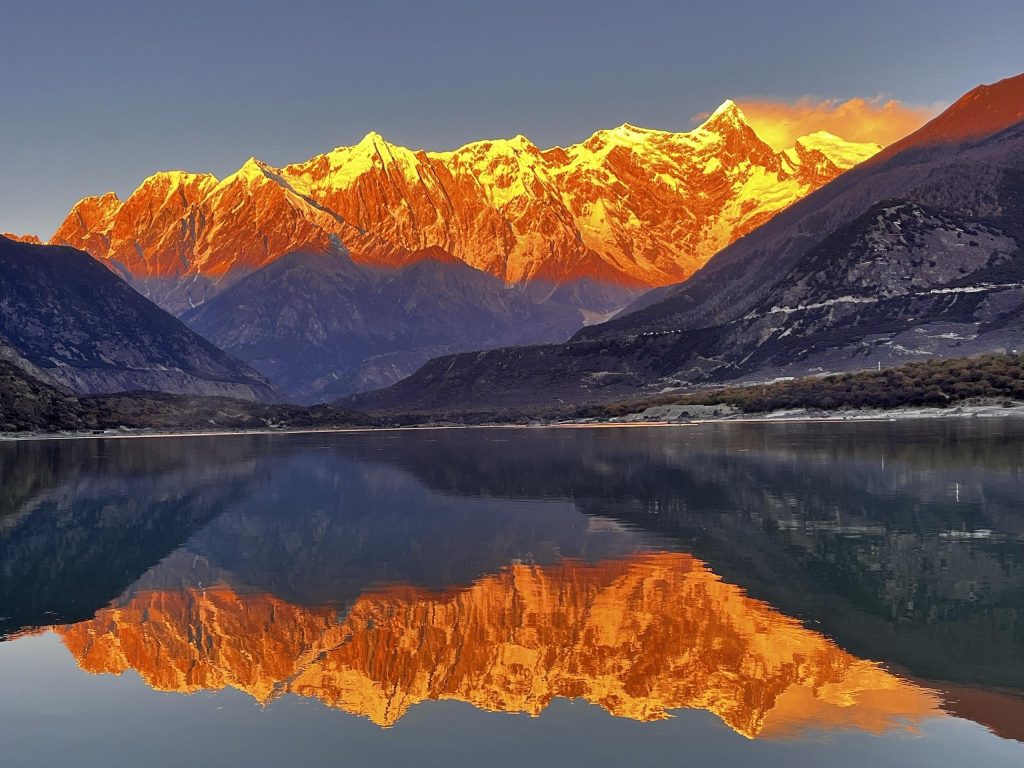
Some journeys are not about the destination, but about the roads traveled and the stories collected along the way. This is a story of a 14-day journey through Yunnan — where ancient tea horse trails, snow mountains, and ethnic minority cultures weave together into an unforgettable adventure.

Day 1-2: Kunming — Where Spring Lives Forever
My journey began in Kunming, a city that earns its nickname “Spring City” with every blooming jacaranda and gentle breeze. The air here carries a different rhythm — slower, sweeter, unburdened by the urgency of China coastal megacities.
I spent my first morning at Green Lake Park (Cui Hu), where retirees practiced tai chi beneath willow trees while others danced to accordion music. An elderly man named Mr. Zhang, who spoke surprisingly good English from his days as a railroad engineer, told me: “In Kunming, we do not rush. The flowers bloom when they are ready, and so do we.”
In the afternoon, I explored the Kunming Flower and Bird Market, a sensory overload of orchids, songbirds, and wild mushrooms piled high like mountain ranges. A vendor offered me a taste of jian shui tofu — tiny grilled squares that burst with smoky flavor. I bought three portions before walking ten feet.
The Food That Defined Kunming
- Cross-Bridge Rice Noodles — A meal that is also a performance. Boiling broth, raw ingredients added tableside, each bowl a personal theater.
- Wild Mushroom Hot Pot — Yunnan is home to 800+ edible mushroom varieties. In season, they appear on every table.
- Flower Cakes — Rose-petal pastry that tastes like the province smells: floral, earthy, alive.
Where I Stayed: A boutique guesthouse near Nanping Pedestrian Street, $45/night, with a rooftop view of the city lights and Western Hills beyond.

Day 3-5: Dali — Between Mountains and Lake
The high-speed train from Kunming to Dali takes two hours, but the landscape shifts like a painting changing colors — from urban sprawl to terraced hills to the first glimpse of Erhai Lake, a sapphire mirror framed by the Cangshan Mountains.
Dali Old Town is a maze of cobblestone streets and whitewashed Bai minority houses, their painted doorframes telling stories of dragons, phoenixes, and plum blossoms. But the real magic lies beyond the old town walls.
I rented a bicycle and rode along Erhai eastern shore. The road wound through villages where women washed clothes in crystal streams, where farmers tended rice paddies with water buffalo, where the only traffic was the occasional tractor and flocks of red-billed gulls following the fishing boats.
At a small cafe in Shuanglang Village, I met a French expat named Marie who had been running a guesthouse here for eight years. “People come to Dali looking for something,” she said, pouring pu’er tea. “Some find peace. Some find themselves. Some just find really good coffee.”
The Moments That Stayed With Me
- Sunrise at Xizhou — The morning mist lifted off Erhai like a curtain rising, revealing three pagodas that have stood since the Tang Dynasty.
- Bai Tie-Dye Workshop — Learning to create indigo patterns on cotton, a craft passed down for 1,000 years.
- Cangshan Cable Car to Jade Belt Road — A 5km hike along a mountain trail built during the Ming Dynasty, with views that stretch to Tibet.
Where I Stayed: A lakeside guesthouse in Shuanglang, $55/night, with an infinity deck overlooking Erhai.
Day 6-8: Lijiang — Where Time Forgot the Rules
If Dali is a gentle watercolor, Lijiang is an oil painting — bold colors, deep shadows, textures you want to touch.
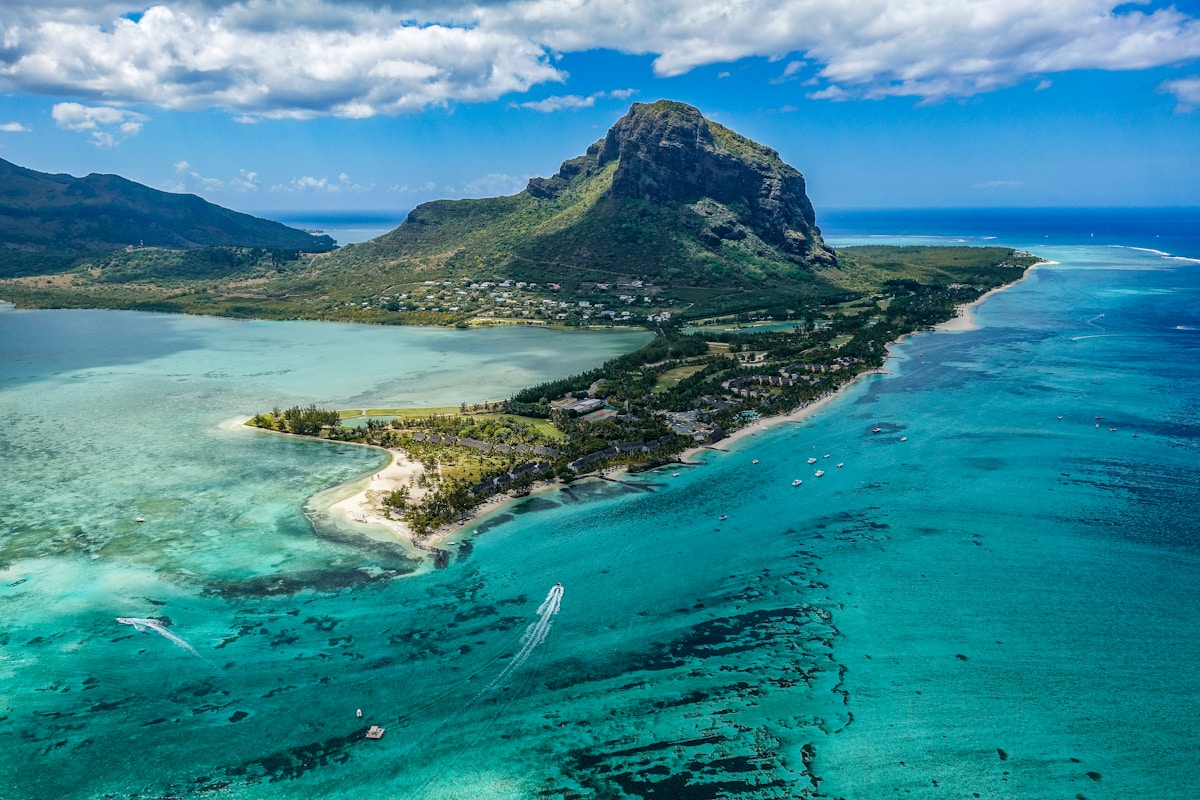
The Old Town of Lijiang is a UNESCO World Heritage site that feels alive in ways most heritage sites do not. Water channels weave between Naxi minority homes, wooden bridges connect neighborhoods, and the snow-capped peak of Jade Dragon Snow Mountain watches over everything like a guardian deity.
I arrived in the late afternoon, when the tourist crowds thinned and the town revealed its quieter self. An old Naxi woman sitting outside her home invited me in with a gesture and served me sufang tea — a local blend with roasted barley and honey. She could not speak Mandarin beyond a few words, but she showed me her family photo album: black-and-white pictures of horse caravans that once carried tea from Pu’er to Lhasa along the Ancient Tea Horse Road.
The next morning, I hiked to Blue Moon Valley at the base of Jade Dragon Snow Mountain. The water here is impossibly turquoise — glacial melt filtered through limestone, creating pools that look like someone poured paint into the landscape. I sat by the largest pool for two hours, watching the mountain shadow move across the water.
Unexpected Discoveries
- Shuhe Old Town — Lijiang quieter sibling, where you can still find the original cobblestone paths polished smooth by centuries of horse hooves.
- Dongba Paper Workshop — Handmade paper using techniques from the Naxi pictographic writing system, the last living hieroglyphic language in the world.
- Impression Lijiang Show — Directed by Zhang Yimou, performed at 3,100m elevation with the snow mountain as backdrop. 500 performers, 10 months of rehearsal, zero artifice.
Where I Stayed: A traditional Naxi courtyard house in the Old Town, $60/night, with a garden full of orchids and a resident cat named Erhai.

Day 9-10: Tiger Leaping Gorge — Walking the Edge of the World
No trip to Yunnan is complete without Tiger Leaping Gorge — one of the deepest river canyons on Earth, where the Jinsha River carves through the Himalayas with a vertical drop of 3,900 meters.
The high trail is a two-day hike that takes you above the clouds, along paths carved into cliff faces, past waterfalls that disappear into mist before they reach the river below. I started at 7 AM from Qiaotou, following the trail up through pine forests and switchbacks that tested every muscle I owned.
At the Halfway Guesthouse — named for its position between the start and end of the trail — I sat on the terrace eating fried eggs and staring across the gorge at Jade Dragon Snow Mountain. The owner, a local Naxi man who had built the guesthouse himself, said: “Every day, people walk this trail. Some come to conquer it. Most come to let it conquer them.”
The second day brought the 28 Bends — a relentless series of switchbacks that climb to 2,600 meters before descending toward the river. My legs trembled. My lungs burned. But every time I wanted to stop, the view reminded me why I kept going: layers of mountains fading into blue haze, eagles circling the canyon walls, the roar of the Jinsha River far below like the earth own heartbeat.
Hiking Essentials
- Best Season: April to June, September to November
- Duration: 2 days (or 1 day if you are very fit)
- What to Bring: Layers (temperature drops 15 C at altitude), headlamp, at least 2 liters of water
- Guide Needed? No — the trail is well-marked, but a local guide enriches the experience enormously
Day 11-14: Shangri-La — The Search for Paradise
Shangri-La (formerly Zhongdian) is a place that exists partly on a map and partly in the imagination. James Hilton named it in his 1933 novel Lost Horizon, but the Tibetan name Gyalthang — “the land of leisure and ease” — captures its essence more accurately.
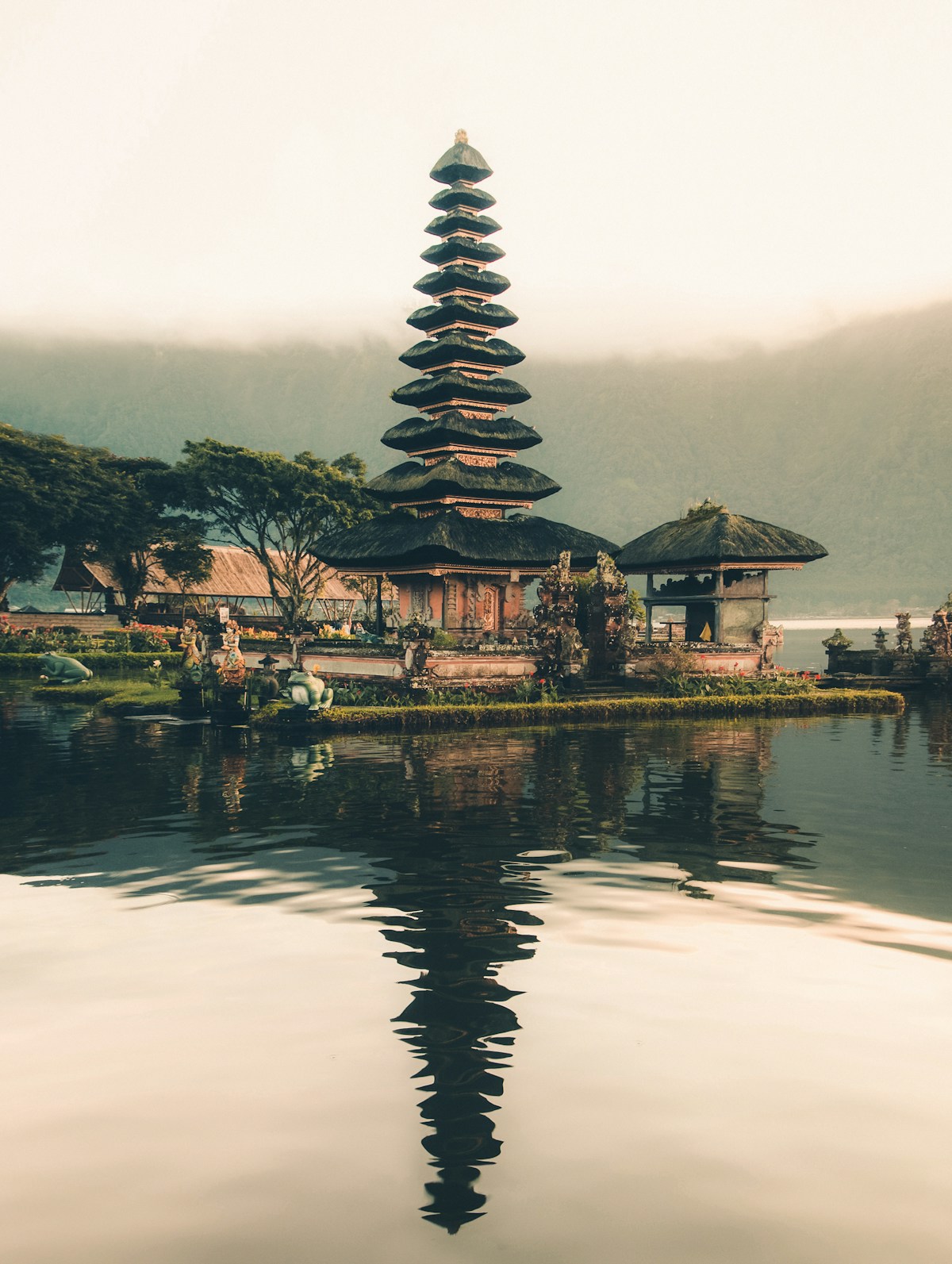
At 3,300 meters, Shangri-La is a high-altitude Tibetan town where prayer flags flutter above yak-butter tea houses, where monks debate philosophy in monastery courtyards, where the sky is so close you feel you could reach up and rearrange the clouds.
I visited Songzanlin Monastery — often called “Little Potala Palace” — on my first morning. Built in 1679, it houses 700 monks and enough gold to make a jewelry thief weep. But the real treasure was not the architecture; it was sitting in a sunlit corner of the main hall, listening to monks chant in Tibetan, feeling the vibration of centuries of devotion in the wooden floorboards.
The Napa Lake wetlands, a short bus ride from town, offered a different kind of spirituality. In spring, the lake fills with migratory birds — black-necked cranes, bar-headed geese, Brahminy ducks — and the surrounding meadows carpet themselves with wildflowers. I hired a local Tibetan guide named Tsering, who told me about the old pilgrimage routes that once connected Shangri-La to Lhasa, a journey that took three months on foot.
On my last evening in Shangri-La, I climbed a hill behind my guesthouse and watched the sun set behind the Meili Snow Mountains. The peaks turned from white to gold to crimson to violet, each color lasting only minutes before the next took its place. I thought about everything I had seen in 14 days — the mushroom markets of Kunming, the bicycle rides around Erhai, the Naxi woman tea, the tiger-leaping river, the monks chanting — and realized that Yunnan had not just shown me beautiful places. It had shown me how to see.
Practical Information for Your Yunnan Journey
Suggested Itinerary
- Days 1-2: Kunming (arrival, Green Lake, flower market)
- Days 3-5: Dali (Erhai Lake, Xizhou, Cangshan hike)
- Days 6-8: Lijiang (Old Town, Jade Dragon Snow Mountain, Blue Moon Valley)
- Days 9-10: Tiger Leaping Gorge (2-day hike)
- Days 11-14: Shangri-La (Songzanlin Monastery, Napa Lake, Meili Snow Mountains)
Total Budget (14 days)
- Budget Traveler: $700 to $1,000 (hostels, street food, public transport)
- Mid-Range: $1,500 to $2,500 (boutique guesthouses, restaurants, occasional private drivers)
- Luxury: $3,500+ (5-star hotels, fine dining, private guides and vehicles)
Getting Around
- Kunming to Dali: High-speed train, 2 hours, $25
- Dali to Lijiang: High-speed train, 1.5 hours, $15
- Lijiang to Tiger Leaping Gorge: Bus or private car, 2 hours, $10 to $50
- Lijiang to Shangri-La: Bus, 4 hours, $15
What to Pack
- Layers — Yunnan altitude ranges from 1,900m to 3,300m, temperatures vary wildly
- Sun protection — UV intensity increases dramatically at altitude
- Comfortable hiking boots — Essential for Tiger Leaping Gorge
- Altitude sickness medication — Diamox is available at Kunming pharmacies
The Journey Does Not End
Yunnan is not a place you visit. It is a place that visits you — long after you have left, long after the altitude headaches have faded, long after the photos have been uploaded and forgotten.
It visits you in quiet moments: when you smell rain on dry earth and remember the mushroom markets of Kunming. When you hear running water and think of Erhai Lake at dawn. When you taste pu’er tea and feel the warmth of a Naxi grandmother kitchen.
Some journeys change you. This one changed me.
When will Yunnan visit you?

Responses