Travel China with Your Wallet: 6 Real Destinations on Chinese Yuan Banknotes


What if the best travel guide in China was already in your wallet? The fifth series of Chinese yuan banknotes (currently in circulation since 1999) features six of China most iconic landmarks on their reverse sides. From the Great Hall of the People in Beijing to the Three Pools Mirroring the Moon in Hangzhou, each note carries a piece of China natural and cultural heritage.
This guide takes you to all six real locations featured on Chinese currency — with accurate ticket prices, best visiting times, and practical travel tips based on official tourism sources.
Sources: People’s Bank of China (pbc.gov.cn), official scenic area websites, China National Tourism Administration.
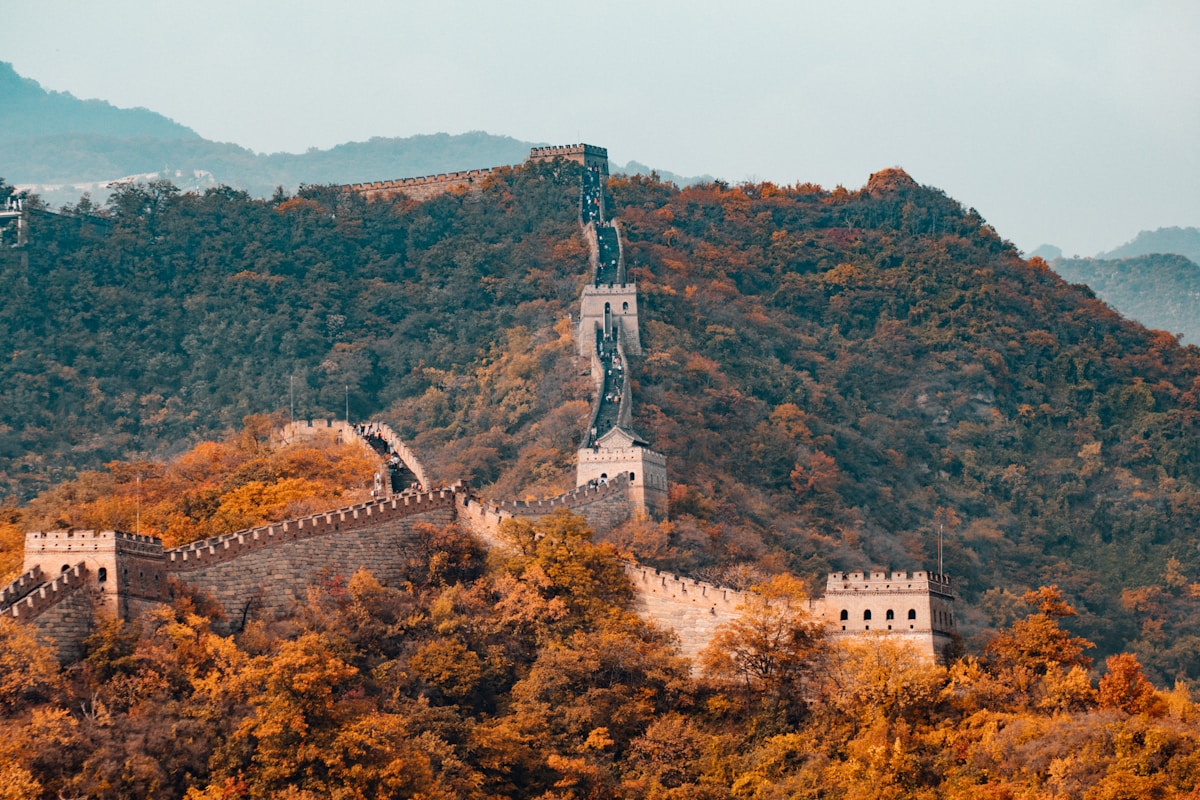
100 Yuan — Great Hall of the People, Beijing
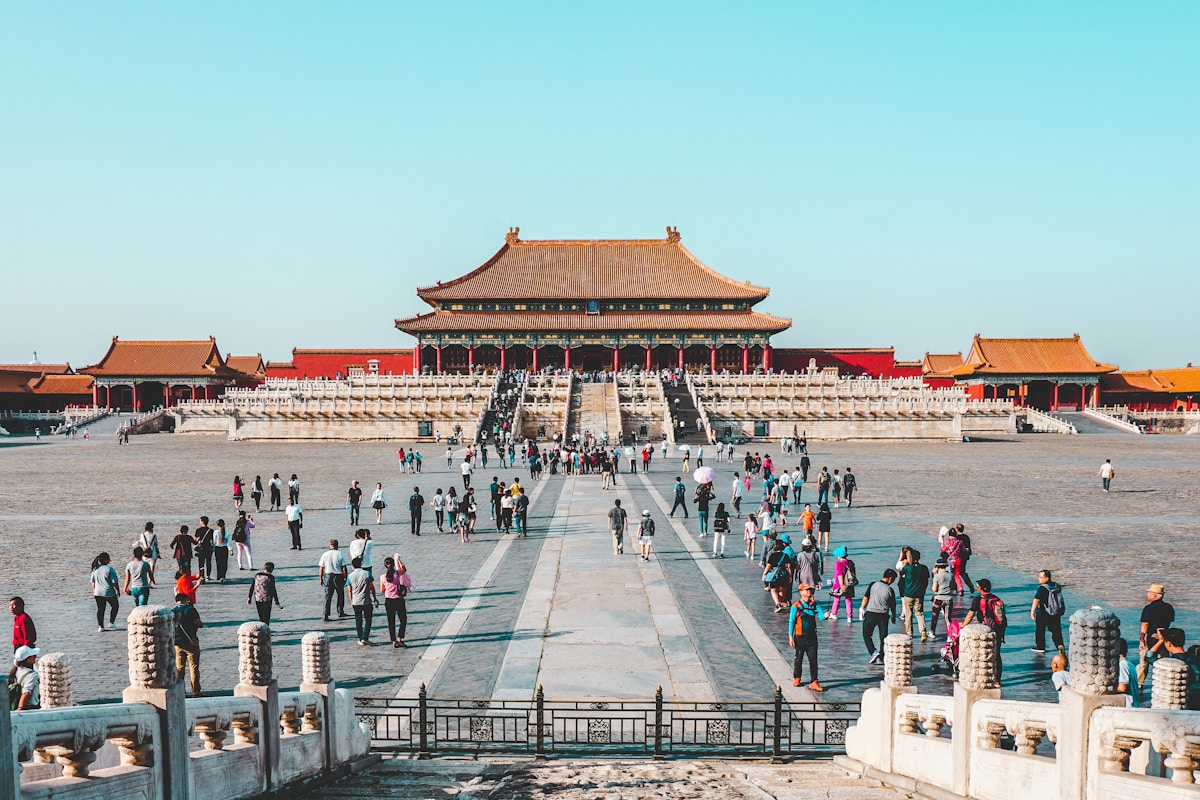
Location: West side of Tiananmen Square, Xicheng District, Beijing
Banknote: 100 yuan (fifth series, issued 1999)
Why This Landmark Matters
The Great Hall of the People (人民大会堂) is one of China most significant political buildings, completed in 1959 as one of the “Ten Great Buildings” celebrating the 10th anniversary of the founding of the People’s Republic. It serves as the meeting place for the National People’s Congress and has hosted countless state banquets and diplomatic events.
Visitor Information
- Ticket Price: Approximately 30 yuan for guided tours (subject to availability; the building may be closed during political sessions)
- Best Time to Visit: March to May, September to November
- How to Get There: Subway Line 1 to Tiananmen West Station (Exit B)
- Photography Tip: The building is best photographed from the east side at sunset, when the columns are bathed in golden light
Real Traveler Tips (from Xiaohongshu users)
- Bring your passport — it is required for entry
- Security checks are strict; allow extra time
- The building is often closed during major political meetings (check the schedule in advance)
50 Yuan — Potala Palace, Lhasa

Location: Marpo Ri (Red Hill), Lhasa, Tibet Autonomous Region
Banknote: 50 yuan (fifth series, issued 1999)
Why This Landmark Matters
The Potala Palace (布达拉宫) is a UNESCO World Heritage Site and the former winter palace of the Dalai Lamas. Built in the 7th century and rebuilt in its current form in 1645, it sits at 3,700 meters above sea level and contains over 1,000 rooms, 10,000 shrines, and 200,000 statues.
Visitor Information
- Ticket Price: 200 yuan (peak season: May to October); 100 yuan (off-season: November to April)
- Best Time to Visit: April to October (avoid winter for better weather)
- How to Get There: Walk from central Lhasa (30 minutes) or take a taxi
- Visiting Hours: 9:00 AM to 4:00 PM (limited daily tickets; book in advance)
Real Traveler Tips (from Xiaohongshu and Mafengwo users)
- Book tickets 1-3 days in advance — daily visitor limits are strictly enforced
- Altitude sickness: Spend 2-3 days acclimatizing in Lhasa before visiting
- No photography allowed inside the palace
- Bring water and snacks — the visit involves climbing many stairs
20 Yuan — Li River, Guilin
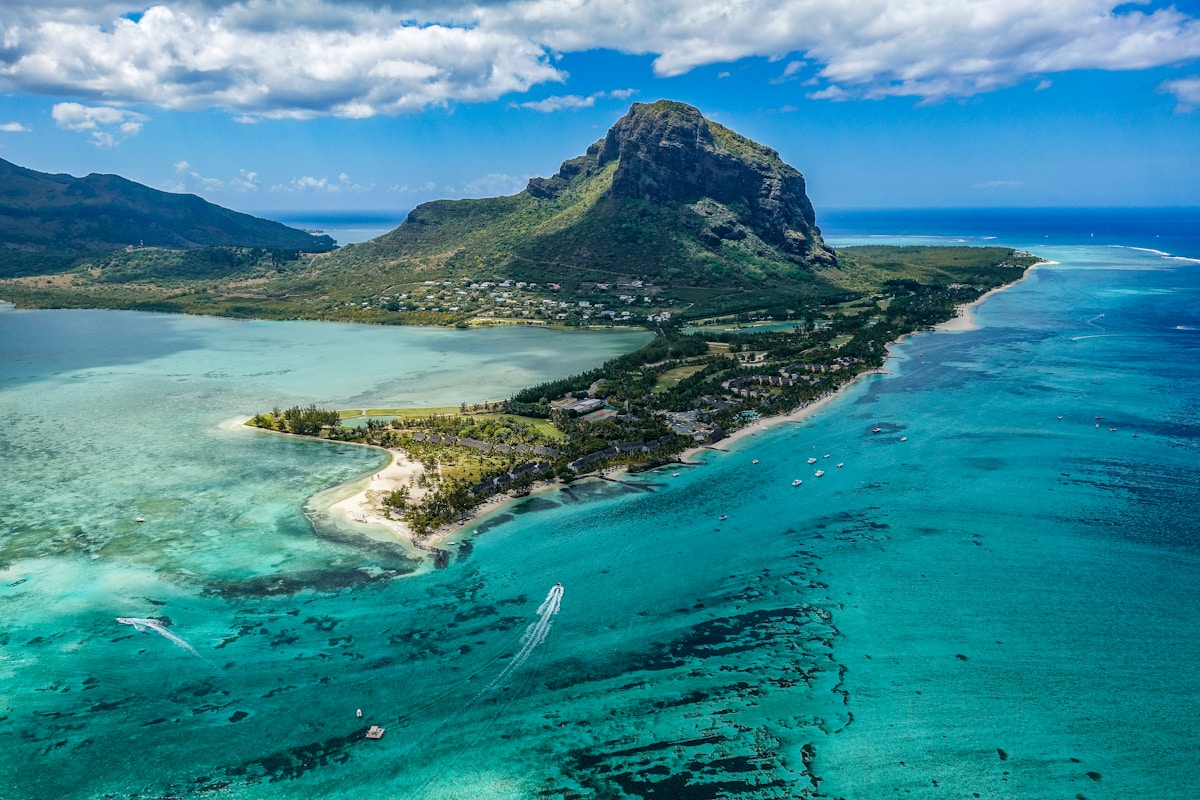
Location: Li River (漓江), Guilin to Yangshuo, Guangxi Zhuang Autonomous Region
Banknote: 20 yuan (fifth series, issued 1999)
Why This Landmark Matters
The scene on the 20 yuan note shows the Li River near Xingping Town — a stretch of karst landscape so iconic it has appeared on Chinese currency for decades. The reflection of limestone peaks in the calm river water is arguably China most recognizable natural image.
Visitor Information
- Bamboo Raft (Xingping section): Approximately 160-260 yuan per person (varies by season)
- Full Li River Cruise (Guilin to Yangshuo): 210-360 yuan (4-hour trip)
- Best Time to Visit: April to October (water levels are optimal)
- How to Get There: Bus from Guilin to Xingping (1.5 hours), or cruise from Guilin
Real Traveler Tips (from Xiaohongshu users)
- The exact viewpoint on the 20 yuan note is near Xingping Town — ask locals for the “20 yuan viewing point”
- Bamboo rafting on the Yulong River (a tributary) is quieter and more scenic than the main Li River
- Cycling from Yangshuo to the countryside (about 10 km) is the best way to see the karst landscape up close
10 Yuan — Kuimen Gate, Qutang Gorge

Location: Qutang Gorge, Fengjie County, Chongqing Municipality
Banknote: 10 yuan (fifth series, issued 1999)
Why This Landmark Matters
Kuimen (夔门), also known as the “Gate of Kuizhou,” is the western entrance to the Three Gorges of the Yangtze River. The scene shows the dramatic cliffs of Qutang Gorge — the shortest but most spectacular of the Three Gorges, narrowing to just 150 meters at its tightest point.
Visitor Information
- Three Gorges Cruise: 1,500-4,000 yuan (2-4 days, from Chongqing to Yichang)
- Day trip from Chongqing: High-speed train to Fengjie (2 hours), then local bus to the viewing platform
- Best Time to Visit: March to May, September to November
Real Traveler Tips (from Mafengwo users)
- The Three Gorges Dam has raised water levels, making the gorge less dramatic than before, but still impressive
- Best viewing is from the cruise ship deck as you pass through
- Combine with a visit to Baidi City (White Emperor City), a historic temple complex nearby
5 Yuan — Mount Tai, Shandong
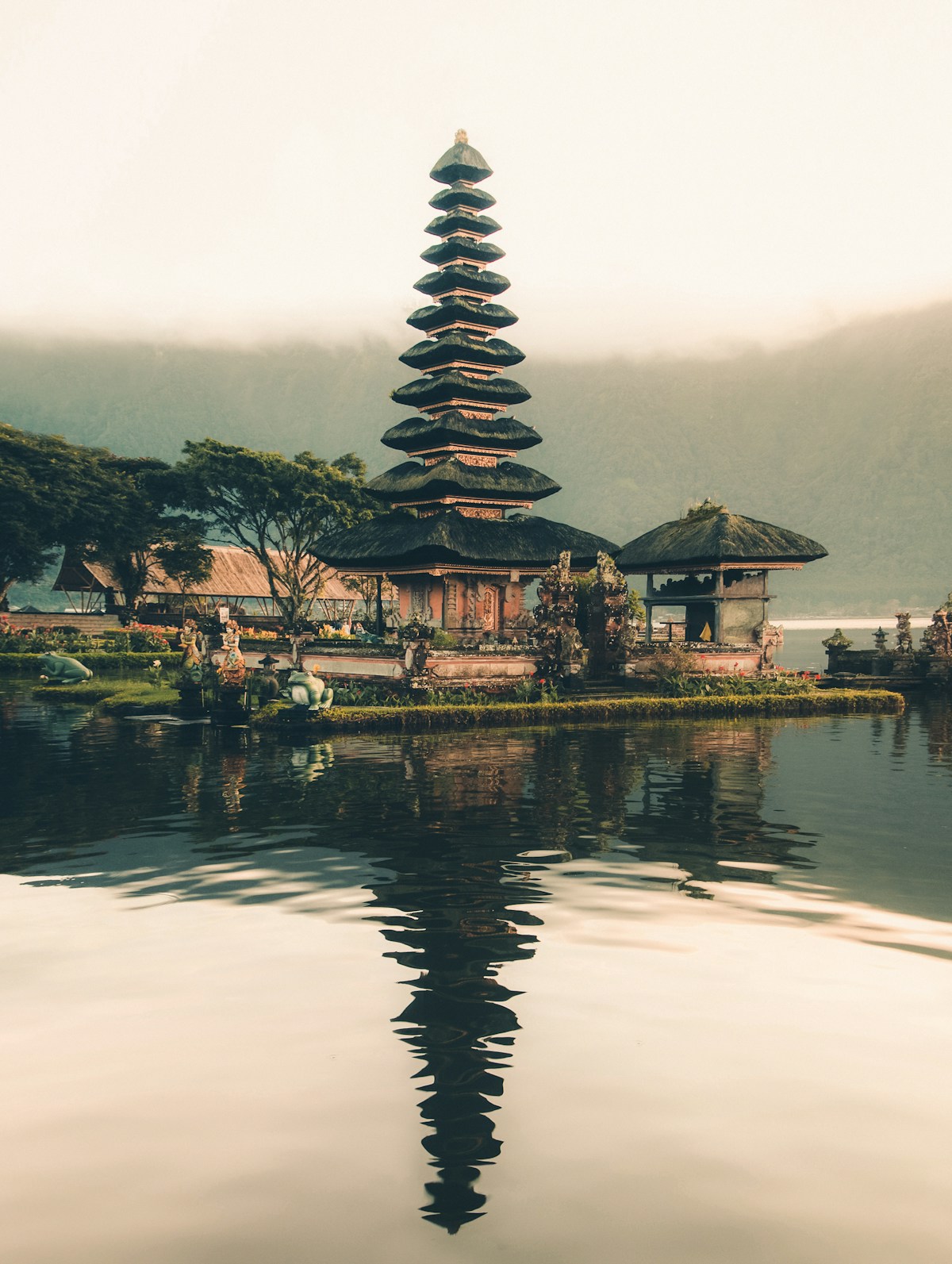
Location: Tai’an City, Shandong Province
Banknote: 5 yuan (fifth series, issued 1999)
Why This Landmark Matters
Mount Tai (泰山, Taishan) is the most sacred of China Five Great Mountains. For over 3,000 years, it has been a site of imperial worship and pilgrimage. The scene on the 5 yuan note shows the iconic view with the South Gate to Heaven (Nantianmen) at the summit (1,545 meters).
Visitor Information
- Ticket Price: 115 yuan (peak season: February to November); 100 yuan (off-season: December to January)
- Cable Car: 100 yuan one-way (saves 4-6 hours of climbing)
- Best Time to Visit: April to June, September to November
- How to Get There: High-speed train from Jinan (20 minutes) or Beijing (2 hours) to Tai’an Station
Real Traveler Tips (from Xiaohongshu users)
- Sunrise at the summit is the highlight — many hikers start at midnight to catch it
- Wear warm clothes even in summer — the summit is 10-15 C cooler than the base
- The full climb takes 4-6 hours; the cable car is recommended if you are short on time
- Bring a walking stick — sold at the base for about 5 yuan
1 Yuan — Three Pools Mirroring the Moon, West Lake
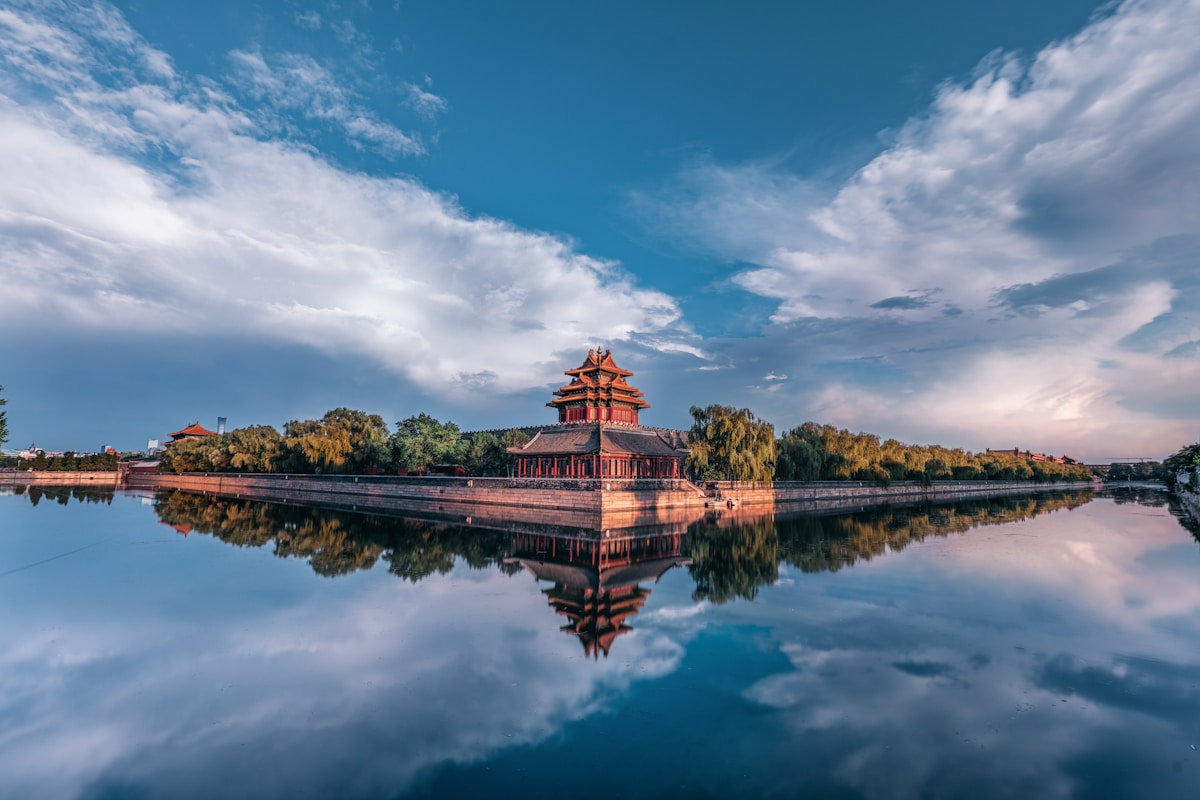
Location: West Lake (西湖), Hangzhou, Zhejiang Province
Banknote: 1 yuan (fifth series, issued 1999)
Why This Landmark Matters
The Three Pools Mirroring the Moon (三潭印月) is one of the Ten Scenes of West Lake and has been a celebrated landscape since the Song Dynasty (960-1279). Three stone pagodas stand in the lake, each with five holes. On the night of the Mid-Autumn Festival, candles lit inside the pagodas reflect on the water, creating the illusion of multiple moons — a scene so beloved it has graced the 1 yuan note since 1999.
Visitor Information
- Boat Tour to the Islands: 55 yuan (includes entrance to the Three Pools island)
- West Lake is FREE — the lake itself has no entrance fee (one of the few free UNESCO-recognized scenic areas in China)
- Best Time to Visit: March to May (cherry blossoms), September to October (autumn colors)
- How to Get There: Subway Line 1 to Longxiangqiao Station, then walk (10 minutes)
Real Traveler Tips (from Xiaohongshu users)
- Rent a bicycle to circle the lake (10 km, about 1-2 hours)
- Visit early morning (6-8 AM) to avoid crowds and see the lake in morning mist
- Mid-Autumn Festival is the most magical time to see the Three Pools — but also the most crowded
- Try the Longjing tea at a lakeside teahouse for the full Hangzhou experience
Complete Trip Plan: Follow the Money
Suggested Itinerary (14-18 days)
- Days 1-3: Beijing (Great Hall of the People, Forbidden City, Great Wall)
- Days 4-5: Fly to Lhasa (Potala Palace — allow 2 days for acclimatization)
- Days 6-7: Fly to Guilin (Li River bamboo rafting, Yangshuo cycling)
- Days 8-9: Chongqing (Three Gorges day trip to Kuimen Gate)
- Days 10-11: Tai’an (Mount Tai sunrise hike)
- Days 12-14: Hangzhou (West Lake, Three Pools, Longjing tea plantations)
Total Estimated Budget (excluding international flights)
- Domestic flights: $400-600 (Beijing to Lhasa, Lhasa to Guilin, Guilin to Chongqing, Chongqing to Jinan/Tai’an)
- Attraction tickets (all 6): Approximately 600 yuan ($85)
- Accommodation (mid-range): $50-80/night x 14 nights = $700-1,120
- Food and transport: $30-50/day x 14 days = $420-700
- Total per person: $1,600-2,500
Conclusion
China fifth series of banknotes is more than currency — it is a travel guide designed by the People’s Bank of China. Each denomination carries a scene so iconic that it represents the entire country in miniature: political power in Beijing, spiritual heights in Tibet, natural beauty in Guilin, geological drama in the Three Gorges, sacred mountains in Shandong, and poetic tranquility in Hangzhou.
Next time you hold a yuan note, look at the back. You are holding a destination.
Sources: People’s Bank of China (pbc.gov.cn), UNESCO World Heritage Centre, official scenic area websites (potalapalace.cn, Guilin Tourism Bureau, Mount Tai Scenic Area, West Lake Management Committee), traveler reviews from Xiaohongshu and Mafengwo.

Responses