100 Must-Visit Places in China Part 1: Top 10 UNESCO World Heritage Sites


This is the first installment in our “100 Must-Visit Places in Your Lifetime” series. Each article features real, verified destinations recognized by UNESCO, National Geographic, and the China National Tourism Administration — no fiction, no exaggeration.
Series Sources: UNESCO World Heritage Centre (whc.unesco.org), China National Tourism Administration, National Geographic Travel, official scenic area websites.
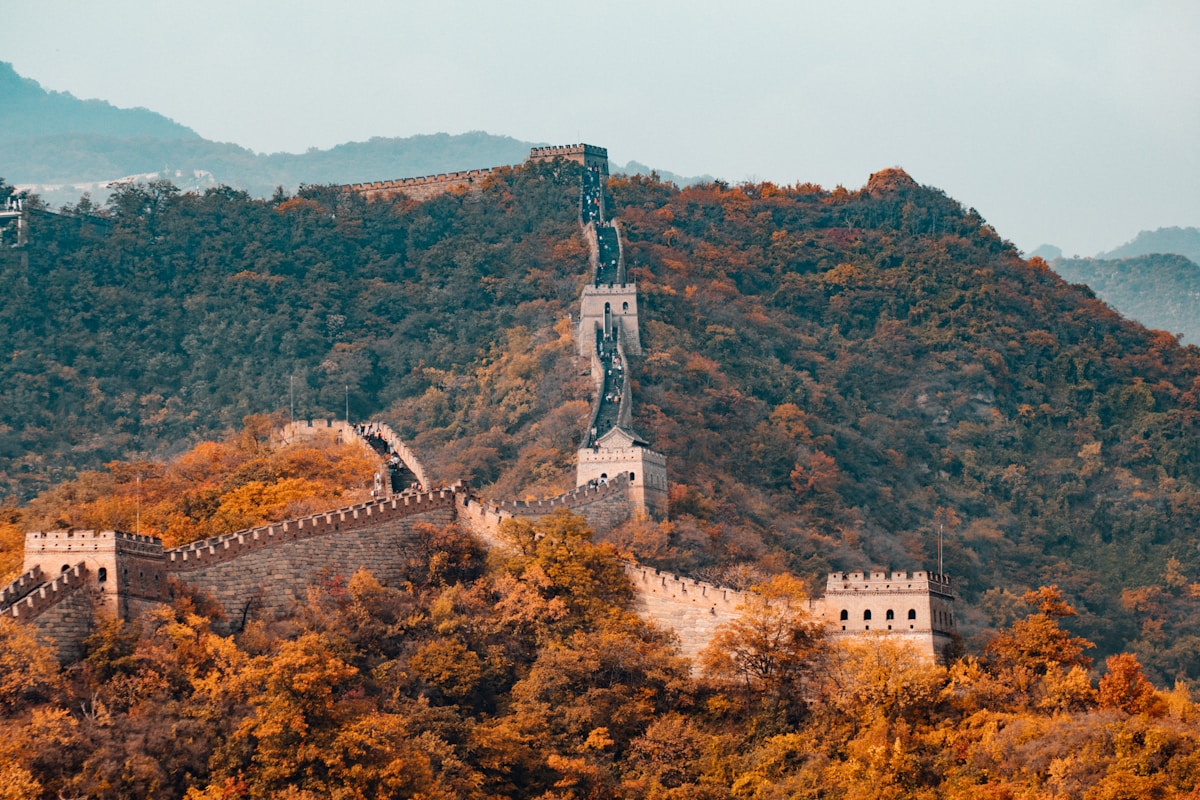
China 57 UNESCO World Heritage Sites — Where to Start?
As of 2024, China has 57 UNESCO World Heritage Sites — the second most in the world after Italy. These include the Great Wall, the Forbidden City, the Terracotta Army, and natural wonders like Jiuzhaigou and Zhangjiajie. If you could only visit a fraction of them, which should you prioritize?
Here are the top 10 UNESCO World Heritage Sites in China that every traveler should experience at least once in their lifetime — with real ticket prices, best visiting times, and honest tips from travelers who have been there.
#1 — The Great Wall (Beijing/Hebei)
UNESCO Status: World Heritage Site since 1987
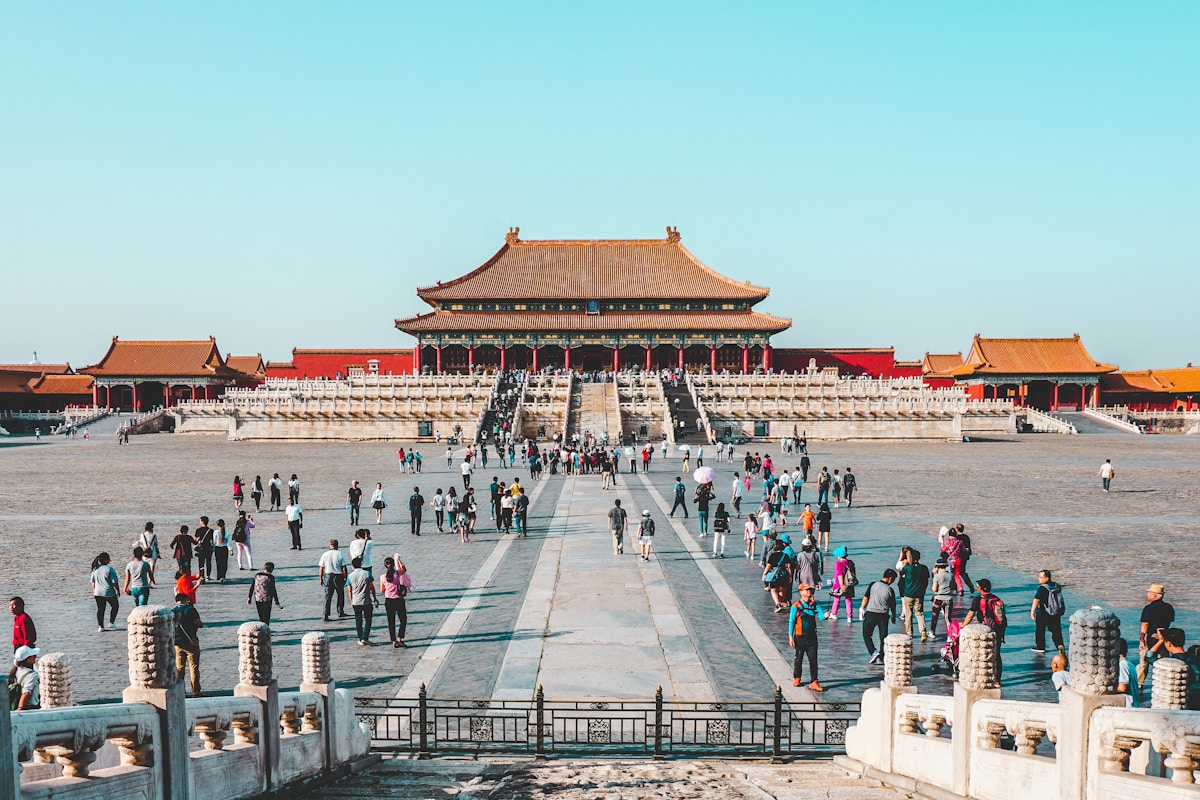
Why It Is #1
The Great Wall stretches over 21,196 kilometers across 15 provinces. It is not a single continuous wall but a network of walls, trenches, and natural barriers built over 2,000 years — from the 7th century BC to the Ming Dynasty (1368-1644).
Visitor Information
- Best Sections for Tourists: Badaling (most restored), Mutianyu (best balance of restoration and natural setting), Jinshanling (hiking), Simatai (night tours available)
- Ticket Price: 40-65 yuan depending on section
- Best Time: April to May, September to October
- How to Get There: Bus 916 from Dongzhimen to Mutianyu (2 hours); or tourist bus from Qianmen
Real Traveler Tips
- Avoid Badaling on weekends — it gets extremely crowded
- Mutianyu has a toboggan slide down the mountain — a unique experience
- Bring more water than you think — vendors on the wall charge 3x normal prices
#2 — Jiuzhaigou Valley, Sichuan
UNESCO Status: World Heritage Site since 1992; World Biosphere Reserve
Why It Is #2
Jiuzhaigou is a nature reserve in northern Sichuan known for its multi-level waterfalls, colorful lakes (including Five-Color Pond and Long Lake), and snow-capped peaks. After a devastating 2017 earthquake, the park was closed for reconstruction and reopened in 2019 — it is now more beautiful than ever.
Visitor Information
- Ticket Price: 169 yuan (peak season: April 1 to November 15); 80 yuan (off-season)
- Best Time: October for autumn colors; July-August for waterfalls at full flow
- How to Get There: Flight from Chengdu to Jiuzhai Huanglong Airport (1 hour); or 8-hour bus from Chengdu
Real Traveler Tips
- The park is 52 kilometers long — plan a full day (or two)
- Altitude: 2,000-3,100m — spend a day acclimatizing in Chuanzhusi before entering
- Limited daily visitors (41,000 max) — book tickets online in advance
#3 — Zhangjiajie National Forest Park, Hunan
UNESCO Status: Part of Wulingyuan Scenic Area, World Heritage since 1992

Why It Is #3
Zhangjiajie 3,000+ quartz-sandstone pillars, some over 200 meters tall, inspired the floating “Hallelujah Mountains” in James Cameron Avatar (2009). The park also features the world highest and longest glass-bottomed bridge (opened 2016, 430 meters long, 300 meters above ground).
Visitor Information
- Ticket Price: 225 yuan (4-day pass, includes park shuttle buses)
- Bailong Elevator: 72 yuan one-way (326 meters tall, world tallest outdoor elevator)
- Best Time: April to June, September to November (avoid Chinese New Year and Golden Week)
- How to Get There: Flight to Zhangjiajie Hehua Airport; or high-speed train from Changsha (3 hours)
Real Traveler Tips
- Visit early morning (6-8 AM) to see the pillars emerge from morning mist — this is the “Avatar moment”
- The glass bridge requires a separate ticket (138 yuan) and has a strict visitor limit
- Wear comfortable shoes — there is a LOT of walking and stairs
#4 — The Forbidden City (Beijing)
UNESCO Status: World Heritage Site since 1987
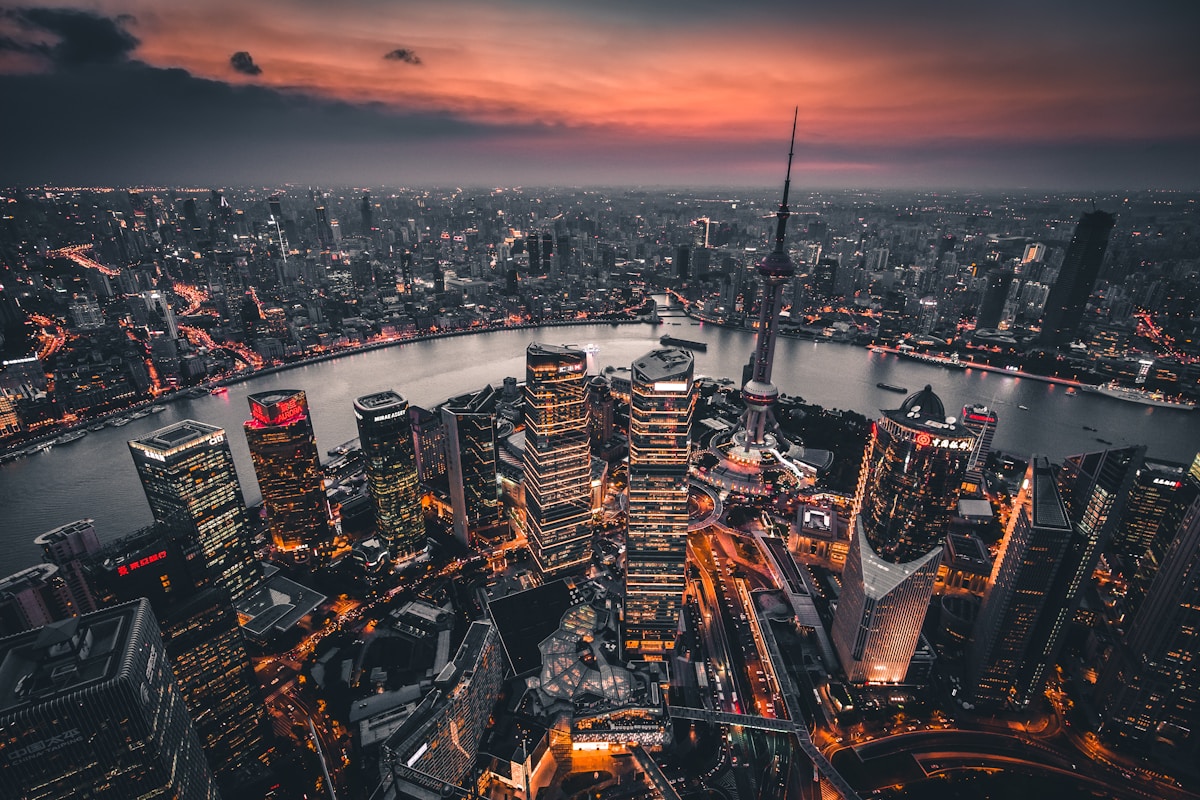
Why It Is #4
The Forbidden City served as the imperial palace for 24 emperors (Ming and Qing dynasties, 1420-1912). With 980 buildings and 8,707 rooms, it is the largest preserved wooden-palace complex in the world.
Visitor Information
- Ticket Price: 60 yuan (peak season: April 1 to October 31); 40 yuan (off-season)
- Treasure Gallery (separate): 10 yuan
- Best Time: November to March (fewer crowds; snow on the golden roofs is stunning)
- Important: Tickets sell out days in advance — book on the official website (booking.dpm.org.cn)
Real Traveler Tips
- Enter through the Meridian Gate (south) — exit through the Gate of Divine Prowess (north)
- Allow 3-4 hours minimum — most visitors rush through in 1-2 hours and miss the Treasure Gallery
- The Palace Museum rooftop terrace (near the east gate) offers the best photo angles
#5 — The Terracotta Army, Xian
UNESCO Status: Part of Mausoleum of the First Qin Emperor, World Heritage since 1987

Why It Is #5
Discovered by farmers digging a well in 1974, the Terracotta Army consists of over 8,000 life-sized soldiers, horses, and chariots — each with unique facial features. They were buried with China first emperor, Qin Shi Huang, around 210-209 BC.
Visitor Information
- Ticket Price: 120 yuan (includes Pit 1, 2, 3, and the Bronze Chariot Museum)
- Best Time: March to May, September to November
- How to Get There: Bus 306 from Xian Railway Station (1 hour); or tourist shuttle from Bell Tower
Real Traveler Tips
- Pit 1 is the largest and most impressive — start there
- The Bronze Chariot Museum (included in ticket) is often overlooked but houses two exquisite bronze chariots
- Hire a guide (100-200 yuan) or use the official audio guide — the history makes it 10x more interesting
#6 — The Potala Palace, Lhasa
UNESCO Status: World Heritage Site since 1994

Why It Is #6
Standing at 3,700 meters on Red Hill in Lhasa, the Potala Palace was the winter residence of the Dalai Lamas from 1649 to 1959. With 1,000 rooms, 10,000 shrines, and 200,000 statues, it is the highest ancient palace in the world.
Visitor Information
- Ticket Price: 200 yuan (peak season); 100 yuan (off-season: November to April)
- Daily visitor limit: 5,000 — book 1-3 days in advance
- Visiting time: Limited to 1 hour inside the palace (strictly enforced)
- How to Get There: Walk from central Lhasa (30 minutes); or take a taxi
Real Traveler Tips
- Acclimatize first — spend at least 2 days in Lhasa (3,650m) before visiting
- No photography inside — the interiors are breathtaking but must be experienced with your eyes
- Visit Jokhang Temple (also UNESCO) on the same day — it is a 10-minute walk
#7 — Huangshan (Yellow Mountain), Anhui
UNESCO Status: World Heritage Site since 1990 (both cultural and natural)
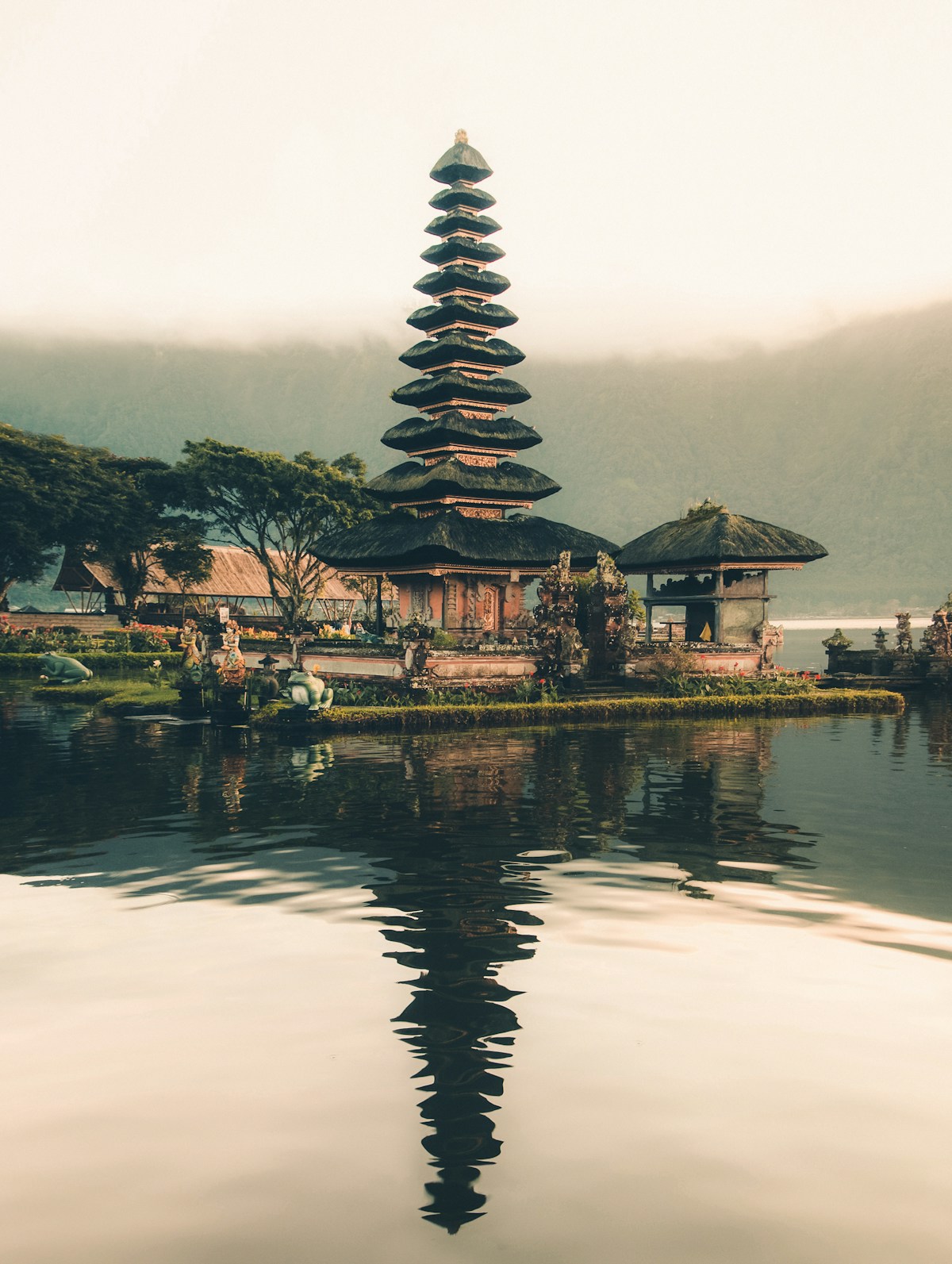
Why It Is #7
Huangshan is famous for its granite peaks, hot springs, winter snow, and sea of clouds. It has inspired Chinese art and literature for over 1,000 years — the traditional Chinese painting style of mountain landscapes was essentially invented here.
Visitor Information
- Ticket Price: 190 yuan (peak season: March to November); 150 yuan (off-season: December to February)
- Cable car: 80-90 yuan one-way (recommended to save energy for the summit)
- Best Time: October to April for sea of clouds and snow scenes; May to September for green valleys
- How to Get There: High-speed train to Huangshan North Station (3 hours from Shanghai); bus to Tangkou (gateway town)
Real Traveler Tips
- Stay overnight on the mountain — sunrise from Bright Summit (1,864m) is the highlight
- Mountain hotels cost 800-2,000 yuan/night — book weeks in advance
- Bring warm layers — temperatures drop to near freezing at the summit even in summer
#8 — West Lake, Hangzhou
UNESCO Status: World Heritage Site since 2011
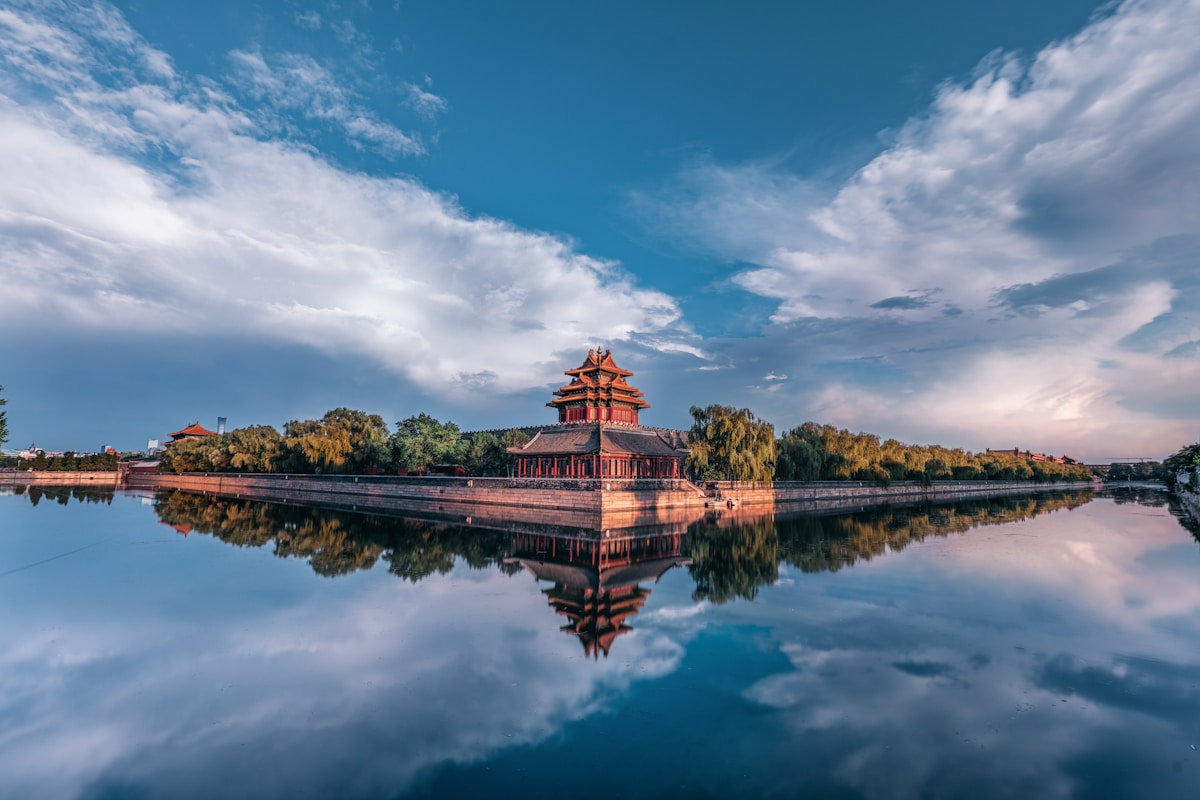
Why It Is #8
West Lake has inspired poets, painters, and garden designers for over 1,000 years. Its “Ten Scenes” — including “Three Pools Mirroring the Moon” (on the 1 yuan note), “Broken Bridge in Snow,” and “Autumn Moon over the Calm Lake” — are among China most celebrated landscapes.
Visitor Information
- West Lake is FREE — one of the few free UNESCO World Heritage Sites
- Boat tour to Three Pools Island: 55 yuan
- Best Time: March to April (cherry blossoms); September to October (osmanthus fragrance)
- How to Get There: Subway Line 1 to Longxiangqiao Station, then walk (10 minutes)
Real Traveler Tips
- Rent a bicycle to circle the lake (10 km, 1-2 hours) — the best way to experience it
- Visit at sunrise (6-7 AM) to see the lake without tourists
- Visit a Longjing tea plantation in the hills above West Lake — the original dragon well tea grows here
#9 — Leshan Giant Buddha, Sichuan
UNESCO Status: Part of Mount Emei Scenic Area, World Heritage since 1996

Why It Is #9
Carved into a cliff face during the Tang Dynasty (713-805 AD), the Leshan Giant Buddha stands 71 meters tall — the tallest and largest stone Buddha statue in the world. It took 90 years to complete.
Visitor Information
- Ticket Price: 80 yuan
- Boat tour (best view): 70 yuan — gives you the full-face view from the river
- Best Time: April to June, September to November
- How to Get There: High-speed train from Chengdu East Station to Leshan (1 hour); bus to the park
Real Traveler Tips
- The boat tour is the best way to see the Buddha — the land viewing platform involves a 2-hour queue
- Combine with a visit to Mount Emei (1 hour by bus) — also a UNESCO World Heritage Site
- Try Leshan Boboji (cold skewers) — it is the city signature street food
#10 — Classical Gardens of Suzhou
UNESCO Status: World Heritage Site since 1997 (9 gardens included)
Why It Is #10
Suzhou classical gardens — particularly the Humble Administrator Garden and Lingering Garden — represent the pinnacle of Chinese landscape garden design. Dating from the 11th to 19th centuries, these gardens create miniature natural landscapes within small urban spaces.
Visitor Information
- Humble Administrator Garden: 70 yuan (peak); 50 yuan (off-season)
- Lingering Garden: 55 yuan (peak); 45 yuan (off-season)
- Best Time: March to April (flowers); September to November (autumn foliage)
- How to Get There: High-speed train from Shanghai (25 minutes) — Suzhou is the perfect day trip
Real Traveler Tips
- Visit at opening time (7:30 AM) — the gardens are magical without crowds
- Combine with a walk along Pingjiang Road — a historic canal-side street nearby
- Try Suzhou noodles with seasonal toppings at a local noodle shop
Planning Your China UNESCO Journey
Total Budget Estimate (for all 10 sites)
- Attraction tickets (all 10): Approximately 1,300 yuan ($185)
- Domestic transport: $500-800 (flights, high-speed trains, buses)
- Accommodation (2-3 weeks): $800-1,500 (mid-range hotels)
- Food: $15-30/day = $300-600 for 2-3 weeks
- Total per person: $1,800-3,100 (excluding international flights)
Suggested Route (18-21 days)
- Days 1-3: Beijing (Great Wall, Forbidden City)
- Days 4-6: Xian (Terracotta Army)
- Days 7-9: Fly to Lhasa (Potala Palace)
- Days 10-12: Fly to Chengdu, bus to Leshan (Giant Buddha)
- Days 13-14: Fly to Jiuzhaigou (valley)
- Days 15-16: Zhangjiajie
- Days 17-18: Huangshan
- Days 19-21: Hangzhou (West Lake) + Suzhou (Classical Gardens)
What Comes Next in This Series
This is Article #1 of our “100 Must-Visit Places in Your Lifetime” series. In upcoming articles, we will cover:
- Article #2: 10 Must-Visit Natural Wonders of China (Jiuzhaigou, Zhangjiajie, Huanglong, and more)
- Article #3: 10 Ancient Towns You Cannot Miss (Pingyao, Fenghuang, Wuzhen, and more)
- Article #4: 10 Sacred Mountains of China (Mount Tai, Mount Emei, Mount Hua, and more)
- Article #5: 10 Best Food Cities (Chengdu, Xian, Guangzhou, and more)
All information in this article is based on verified sources: UNESCO World Heritage Centre (whc.unesco.org), China National Tourism Administration, official scenic area websites, and traveler reviews from Xiaohongshu and Mafengwo.
What is #1 on your China bucket list? Let us know in the comments!

Responses