100 Must-Visit Places in China Part 4: 10 Sacred Mountains You Must Climb

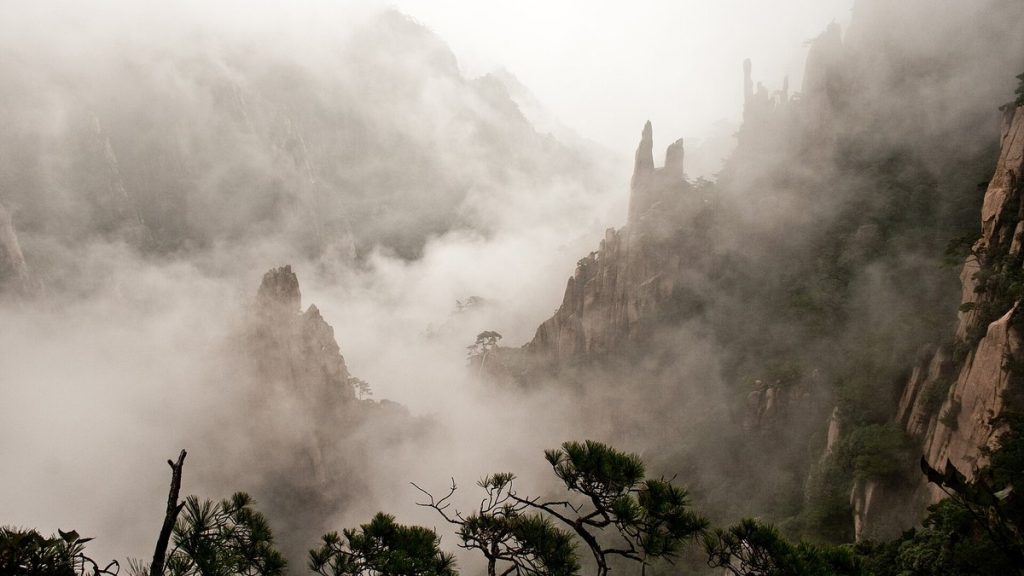
This is Article #4 in our “100 Must-Visit Places in Your Lifetime” series. All destinations are verified by UNESCO, China National Cultural Heritage Administration, and official scenic area websites — no fiction, no exaggeration.
Series Sources: UNESCO World Heritage Centre (whc.unesco.org), China National Cultural Heritage Administration, official tourism websites, traveler reviews from Xiaohongshu and Mafengwo.
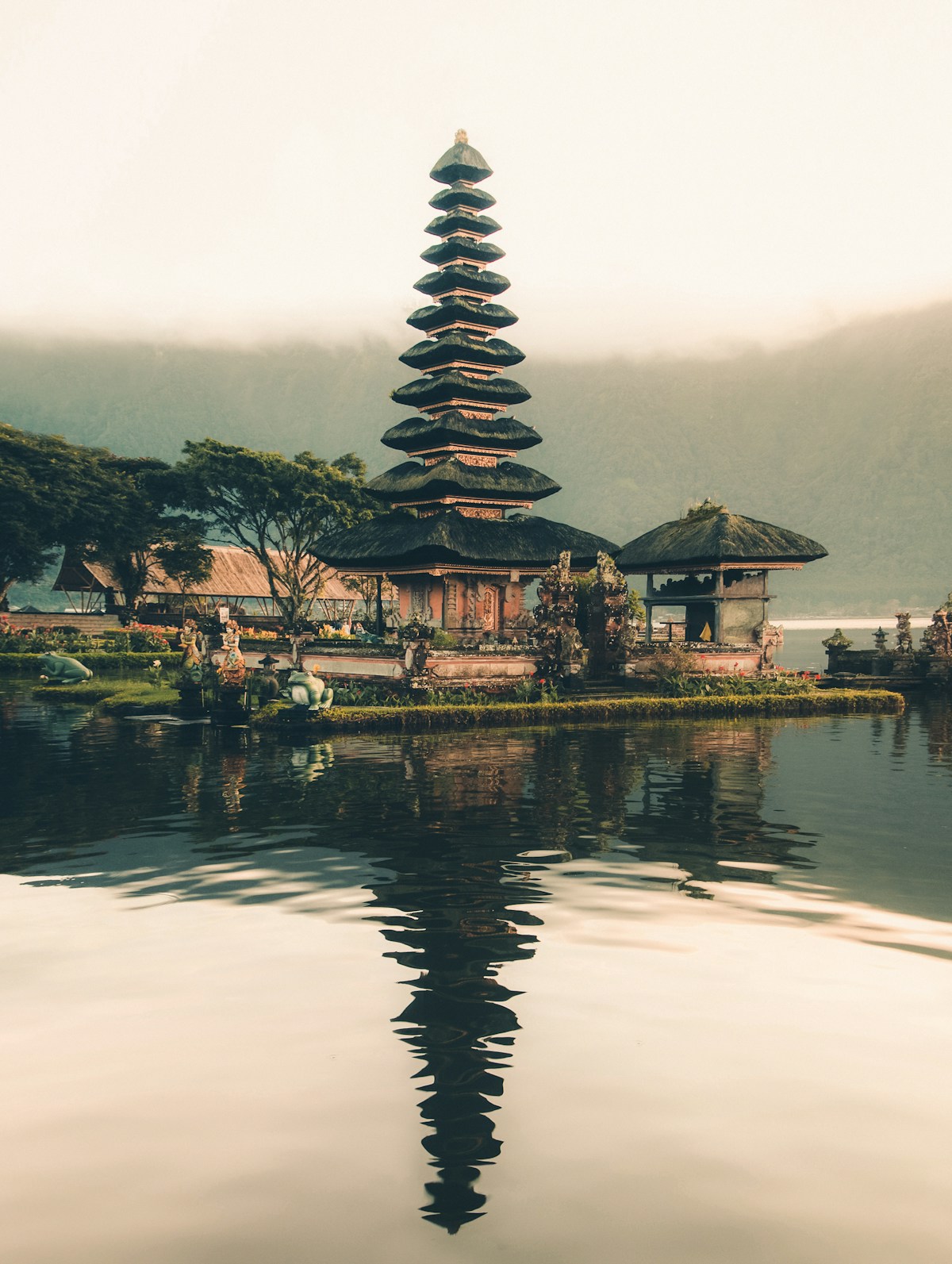
China Sacred Mountains — Where Earth Meets Heaven
For over 3,000 years, mountains have been sacred in Chinese culture. Emperors climbed them to communicate with heaven, Buddhist monks built temples on their slopes, and Daoist hermits sought immortality in their caves. China has Five Great Mountains (Wu Yue), Four Sacred Buddhist Mountains, and Four Sacred Daoist Mountains — each with unique cultural, historical, and natural significance.
Here are the top 10 sacred mountains in China that every traveler should experience — with real ticket prices, best visiting times, and honest tips from travelers who have been there.
#1 — Mount Tai (Taishan), Shandong
UNESCO Status: World Heritage Site since 1987 (Cultural and Natural)
Why It Is #1
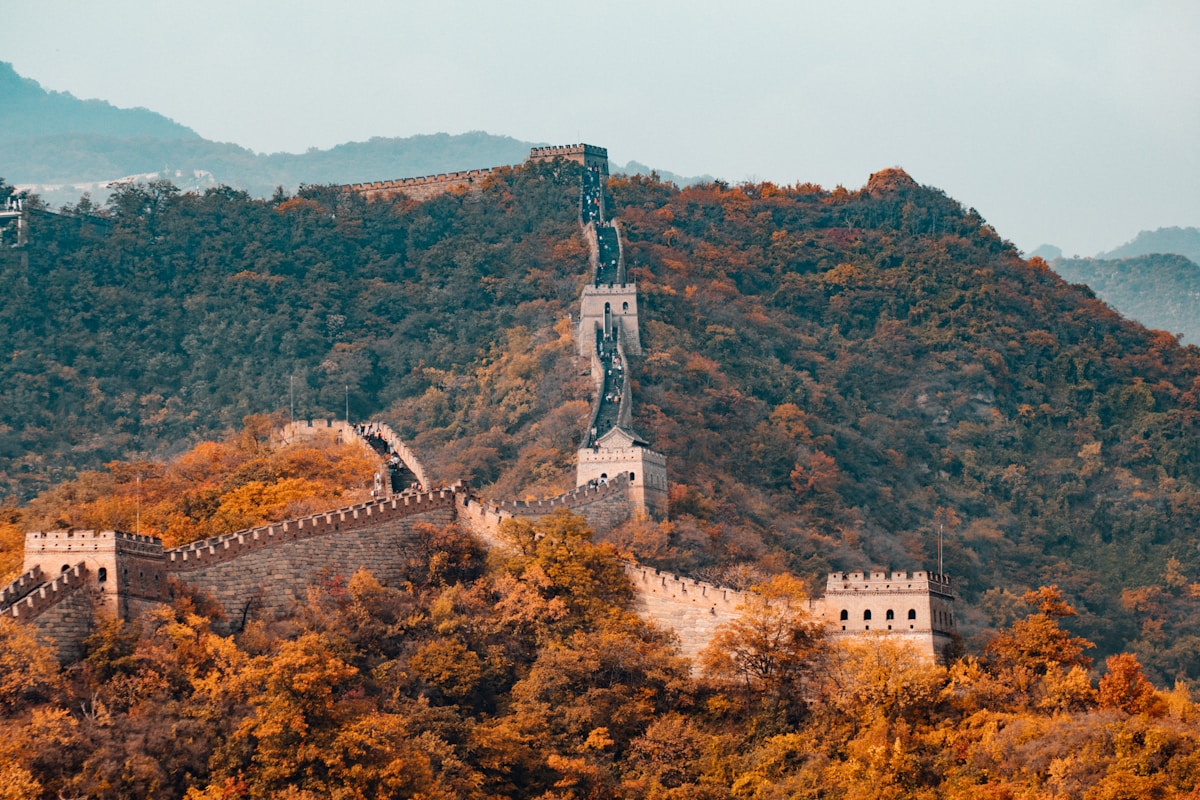
Mount Tai (1,545m) is the most revered of China Five Great Mountains. For over 3,000 years, Chinese emperors climbed Mount Tai to perform the Fengshan sacrifices — rituals to communicate with heaven and earth. Confucius, Laozi, and countless poets have written about this mountain. The 18 Bends (a section of 1,600 stone steps carved into the cliff face) is one of the most iconic climbs in China.
Visitor Information
- Ticket Price: 115 yuan (peak season: February to November); 100 yuan (off-season: December to January)
- Cable Car: 100 yuan one-way (from Zhongtian Gate to South Gate to Heaven)
- Best Time: April to June, September to November
- How to Get There: High-speed train to Tai’an Station (2 hours from Beijing); bus to Mount Tai entrance (30 minutes)
Real Traveler Tips
- Stay overnight at the summit for sunrise — the “sea of clouds” is best at dawn
- The full climb takes 4-6 hours — start at midnight to catch sunrise
- Bring warm layers — the summit is 10-15 C cooler than the base even in summer
#2 — Mount Huangshan (Yellow Mountain), Anhui
UNESCO Status: World Heritage Site since 1990 (Cultural and Natural)
Why It Is #2
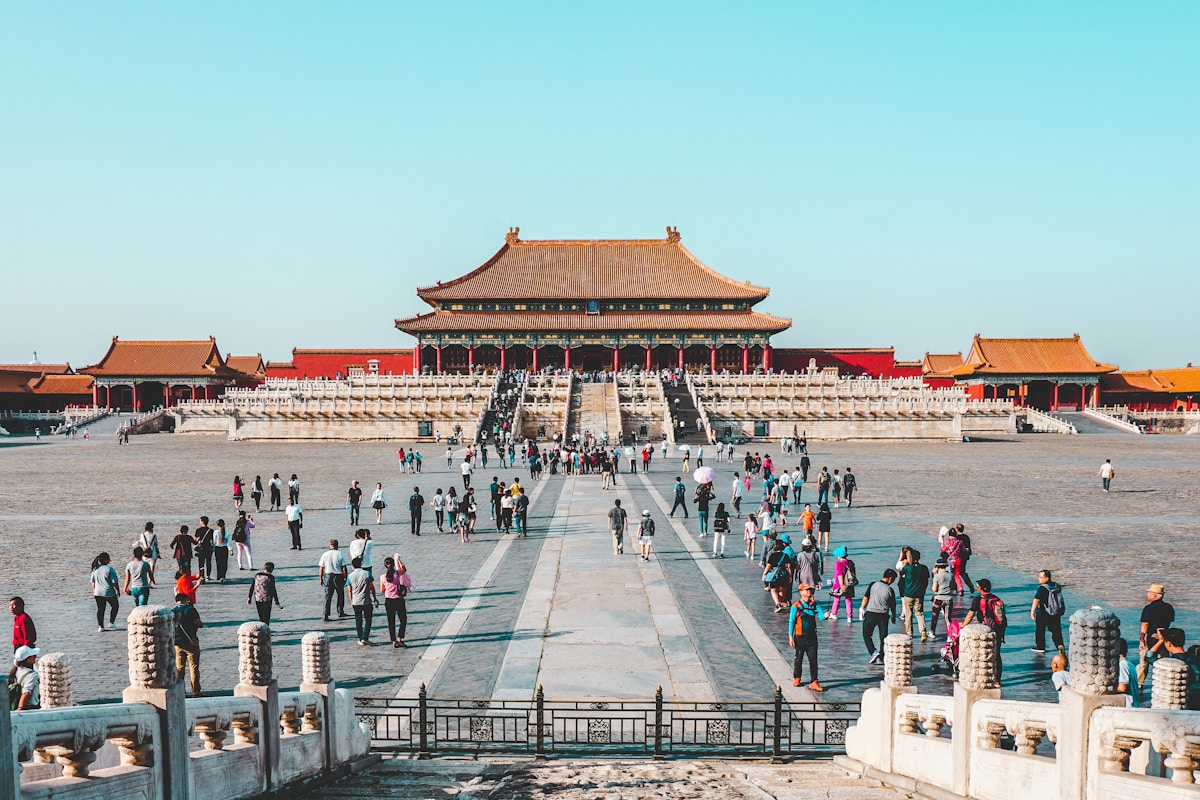
Huangshan is famous for its Four Wonders: oddly-shaped pines, grotesque rocks, sea of clouds, and hot springs. It has inspired Chinese art and literature for over 1,000 years — the traditional Chinese painting style of mountain landscapes was essentially invented here. The Guest-Greeting Pine (Yingkesong) is one of the most photographed trees in China.
Visitor Information
- Ticket Price: 190 yuan (peak season: March to November); 150 yuan (off-season: December to February)
- Cable Car: 80-90 yuan one-way
- Best Time: October to April for sea of clouds; May to September for green valleys
- How to Get There: High-speed train to Huangshan North Station (3 hours from Shanghai); bus to Tangkou (gateway town)
Real Traveler Tips
- Stay overnight on the mountain — sunrise from Bright Summit (1,864m) is the highlight
- Mountain hotels cost 800-2,000 yuan/night — book weeks in advance
- Bring warm layers — temperatures drop to near freezing at the summit even in summer
#3 — Mount Emei, Sichuan
UNESCO Status: World Heritage Site since 1996 (with Leshan Giant Buddha)

Why It Is #3
Mount Emei (3,099m) is the highest of China Four Sacred Buddhist Mountains and the bodhimanda (place of enlightenment) of Samantabhadra (Puxian), one of the four great bodhisattvas. The first Buddhist temple in China was built here in the 1st century AD. The Golden Summit (Jinding) features a 48-meter-tall bronze statue of Samantabhadra and offers views of the “sea of clouds” and the “Buddha light” (a rare optical phenomenon).
Visitor Information
- Ticket Price: 185 yuan (peak season); 110 yuan (off-season)
- Cable Car to Golden Summit: 120 yuan round-trip
- Best Time: March to June, September to November
- How to Get There: High-speed train from Chengdu to Emeishan Station (1 hour)
Real Traveler Tips
- Wild monkeys are everywhere — do not feed them and keep food in sealed bags
- Stay overnight at Golden Summit for sunrise — the “sea of clouds” is best at dawn
- Combine with Leshan Giant Buddha (1 hour by bus) — also a UNESCO World Heritage Site
#4 — Mount Hua (Huashan), Shaanxi
UNESCO Status: Not inscribed, but proposed for World Heritage

Why It Is #4
Mount Hua (2,154m) is one of China Five Great Mountains and is known as the most dangerous mountain to climb in China. The famous Plank Walk — a narrow wooden path bolted to the side of a sheer cliff — is one of the world most terrifying hikes. The mountain is also sacred in Daoism — the Jade Spring Temple at the base is one of the oldest Daoist temples in China.
Visitor Information
- Ticket Price: 160 yuan (peak season: March to November); 100 yuan (off-season)
- Cable Car: 140 yuan one-way (West Peak cable car); 80 yuan (North Peak cable car)
- Best Time: April to October
- How to Get There: High-speed train from Xian to Huashan North Station (30 minutes)
Real Traveler Tips
- The Plank Walk requires a separate ticket (30 yuan) and a safety harness (included)
- Take the West Peak cable car up and walk down — the most scenic route
- Bring gloves — you will need to hold chains along the steep sections
#5 — Mount Wutai, Shanxi
UNESCO Status: World Heritage Site since 2009

Why It Is #5
Mount Wutai (3,061m) is the highest of China Four Sacred Buddhist Mountains and the bodhimanda of Manjushri (Wenshu), the bodhisattva of wisdom. It has over 53 Buddhist temples, some dating back to the Tang Dynasty (618-907 AD). The mountain is unique because it is sacred in both Chinese Buddhism (Han Buddhism) and Tibetan Buddhism — temples of both traditions coexist here.
Visitor Information
- Ticket Price: 135 yuan (peak season: April to October); 118 yuan (off-season)
- Best Time: June to September (summer is cool — average 20 C)
- How to Get There: Bus from Taiyuan (3 hours) or Datong (4 hours) to Wutaishan
Real Traveler Tips
- Visit Shuxiang Temple — the oldest temple on the mountain (Tang Dynasty)
- Stay in Taihuai Town — the main hub for temple visits
- Try vegetarian meals at the temples — many are free or donation-based
#6 — Mount Putuo, Zhejiang
UNESCO Status: Part of Putuo Mountain Scenic Area, proposed for World Heritage

Why It Is #6
Mount Putuo (288m) is one of China Four Sacred Buddhist Mountains and the bodhimanda of Avalokitesvara (Guanyin), the bodhisattva of compassion. Located on an island off the coast of Ningbo, it has been a pilgrimage site for over 1,000 years. The 33-meter-tall Guanyin statue overlooking the sea is one of the tallest Guanyin statues in China.
Visitor Information
- Entrance to the island: 160 yuan (includes all temples)
- Ferry from Ningbo: 70 yuan one-way (1.5 hours)
- Best Time: April to June, September to November
- How to Get There: High-speed train to Ningbo; ferry from Ningbo Beilun Port
Real Traveler Tips
- Visit Puji Temple — the largest and most important temple on the island
- Stay overnight on the island — the sunrise over the sea is stunning
- Try seafood on the island — it is some of the freshest in Zhejiang
#7 — Mount Jiuhua, Anhui
UNESCO Status: Part of Jiuhua Mountain Scenic Area, proposed for World Heritage
Why It Is #7
Mount Jiuhua (1,342m) is one of China Four Sacred Buddhist Mountains and the bodhimanda of Ksitigarbha (Dizang), the bodhisattva of the underworld. It has over 99 Buddhist temples, many dating back to the Tang Dynasty. The mountain is also famous for its 99 peaks — the highest, Shiwang Peak, rises to 1,342 meters.
Visitor Information
- Ticket Price: 190 yuan (peak season); 140 yuan (off-season)
- Cable Car: 160 yuan round-trip
- Best Time: April to June, September to November
- How to Get There: High-speed train to Chizhou Station (1 hour from Hefei); bus to Jiuhuashan (1 hour)
Real Traveler Tips
- Visit Body Palace (Roushen Dian) — the mummified body of a Tang Dynasty monk is on display
- Stay in Jiuhua Street — the main hub for temple visits
- Try vegetarian meals at the temples — many are free or donation-based
#8 — Mount Heng (Hengshan), Hunan
UNESCO Status: Part of Nanyue Hengshan Scenic Area, proposed for World Heritage
Why It Is #8
Mount Heng (1,300m) is one of China Five Great Mountains — specifically, the South Great Mountain (Nanyue). It has been a sacred site for both Buddhism and Daoism for over 1,500 years. The South Great Temple (Nanyue Damiao) at the base is one of the largest temple complexes in southern China, covering 98,500 square meters.
Visitor Information
- Ticket Price: 110 yuan (peak season: March to November); 80 yuan (off-season)
- Cable Car: 120 yuan round-trip
- Best Time: April to June, September to November
- How to Get There: High-speed train to Hengshan West Station (1.5 hours from Changsha)
Real Traveler Tips
- Visit the South Great Temple first — it is one of the largest temple complexes in China
- The mountain is less crowded than Mount Tai — perfect for a peaceful hike
- Try Hengshan vegetarian cuisine — a local specialty served in temple restaurants
#9 — Mount Qingcheng, Sichuan
UNESCO Status: Part of Qingchengshan-Dujiangyan, World Heritage since 2000
Why It Is #9
Mount Qingcheng (1,600m) is one of China Four Sacred Daoist Mountains and the birthplace of Daoism. According to legend, Laozi (Lao Tzu) taught the Dao De Jing here over 2,500 years ago. The mountain has over 20 Daoist temples, many dating back to the Tang Dynasty. The lush green forests and misty peaks make it one of the most serene mountains in China.
Visitor Information
- Ticket Price: 80 yuan (front mountain); 20 yuan (back mountain)
- Cable Car: 60 yuan one-way
- Best Time: April to June, September to November
- How to Get There: High-speed train from Chengdu to Qingchengshan Station (30 minutes)
Real Traveler Tips
- Visit the front mountain for temples — the back mountain is more for hiking
- Combine with a visit to Dujiangyan Irrigation System (2,000 years old, still in use)
- Try Mount Qingcheng tea — a local specialty served in Daoist teahouses
#10 — Mount Wudang, Hubei
UNESCO Status: World Heritage Site since 1994
Why It Is #10
Mount Wudang (1,612m) is one of China Four Sacred Daoist Mountains and the birthplace of Wudang martial arts (including Tai Chi). The mountain has over 200 Daoist temples and palaces, most built during the Ming Dynasty. The Golden Hall (Jindian) at the summit is a bronze-clad hall built in 1416 — one of the finest examples of Ming bronze architecture in China.
Visitor Information
- Ticket Price: 230 yuan (includes shuttle bus and all temples)
- Cable Car: 100 yuan one-way
- Best Time: April to June, September to November
- How to Get There: High-speed train to Shiyan East Station (2 hours from Wuhan); bus to Wudangshan (30 minutes)
Real Traveler Tips
- Visit the Golden Hall at sunrise — the view over the sea of clouds is iconic
- Stay overnight at Wudangshan — the temples offer basic accommodation (50-100 yuan/night)
- Try Wudang Tai Chi classes — many temples offer morning lessons (100-200 yuan/hour)
Planning Your China Sacred Mountains Journey
Total Budget Estimate (for all 10 mountains)
- Attraction tickets (all 10): Approximately 1,600 yuan ($225)
- Domestic transport: $600-900 (flights, high-speed trains, buses)
- Accommodation (3 weeks): $1,000-1,800 (mid-range hotels and mountain guesthouses)
- Food: $15-30/day = $300-600 for 3 weeks
- Total per person: $2,100-3,500 (excluding international flights)
Suggested Route (21-25 days)
- Days 1-3: Mount Tai (Shandong)
- Days 4-6: Mount Hua (Shaanxi)
- Days 7-8: Mount Wudang (Hubei)
- Days 9-11: Mount Qingcheng (Sichuan)
- Days 12-14: Mount Emei (Sichuan)
- Days 15-16: Mount Wutai (Shanxi)
- Days 17-18: Mount Heng, Hunan (Nanyue)
- Days 19-20: Mount Jiuhua (Anhui)
- Days 21-22: Mount Huangshan (Anhui)
- Days 23-25: Mount Putuo (Zhejiang)
What Comes Next in This Series
This is Article #4 of our “100 Must-Visit Places in Your Lifetime” series. In upcoming articles, we will cover:
- Article #5: 10 Best Food Cities (Chengdu, Xian, Guangzhou, and more)
All information in this article is based on verified sources: UNESCO World Heritage Centre (whc.unesco.org), China National Cultural Heritage Administration, official scenic area websites, and traveler reviews from Xiaohongshu and Mafengwo.
Which sacred mountain is #1 on your China bucket list? Let us know in the comments!

Responses