100 Must-Visit Places in China Part 2: Top 10 Natural Wonders

This is Article #2 in our “100 Must-Visit Places in Your Lifetime” series. All destinations are verified by UNESCO, National Geographic, and the China National Tourism Administration — no fiction, no exaggeration.
Series Sources: UNESCO World Heritage Centre (whc.unesco.org), China National Tourism Administration, National Geographic Travel, official scenic area websites.
China Natural Wonders — Beyond the Great Wall
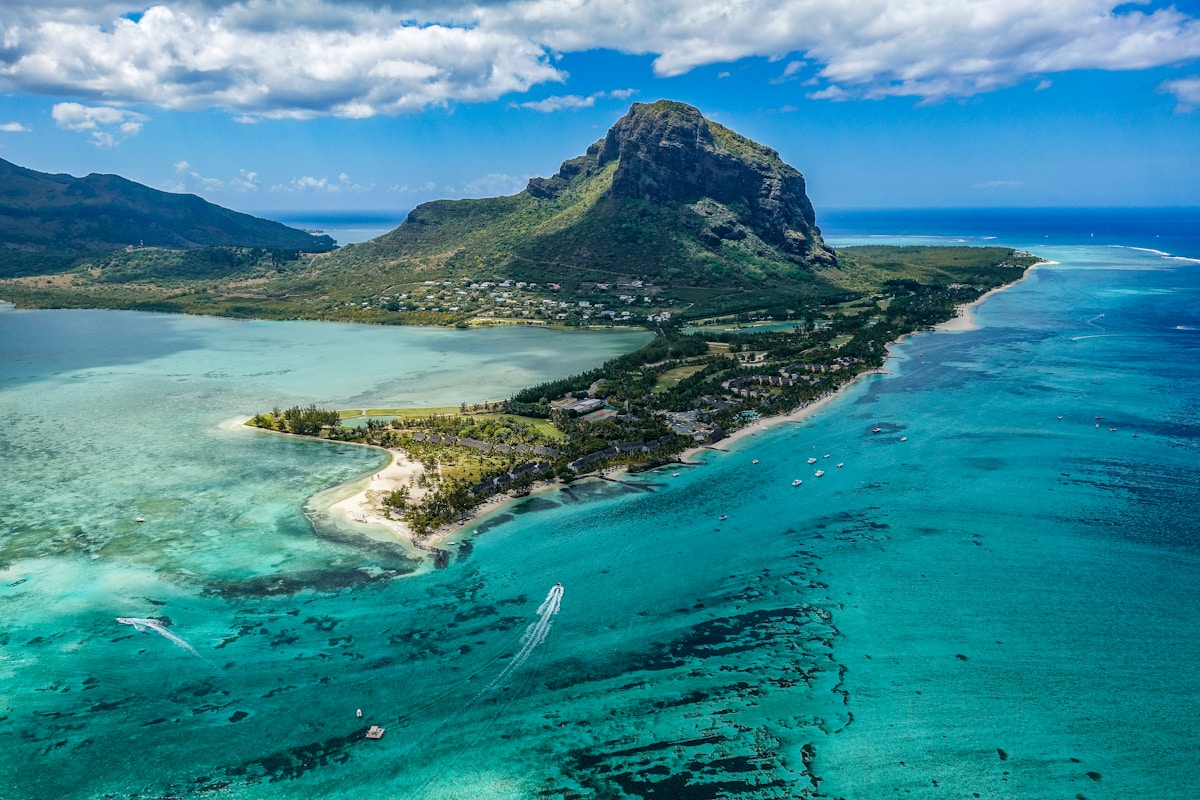
China is home to some of the most spectacular natural landscapes on Earth. From the rainbow-colored mountains of Zhangye to the emerald pools of Jiuzhaigou, these natural wonders have been shaped over millions of years by tectonic forces, erosion, and climate.
Here are the top 10 natural wonders in China that every nature lover should experience — with real ticket prices, best visiting times, and honest tips from travelers who have been there.
#1 — Jiuzhaigou Valley, Sichuan
UNESCO Status: World Heritage Site since 1992; World Biosphere Reserve
Why It Is #1
Jiuzhaigou is often called the most beautiful valley in China. Its multi-level waterfalls, colorful lakes (including Five-Color Pond and Long Lake), and snow-capped peaks create a landscape that looks like it belongs on another planet. After a devastating 2017 earthquake, the park was closed for reconstruction and reopened in 2019 — it is now more beautiful than ever.
Visitor Information
- Ticket Price: 169 yuan (peak season: April 1 to November 15); 80 yuan (off-season)
- Best Time: October for autumn colors; July-August for waterfalls at full flow
- How to Get There: Flight from Chengdu to Jiuzhai Huanglong Airport (1 hour); or 8-hour bus from Chengdu
Real Traveler Tips
- The park is 52 kilometers long — plan a full day (or two)
- Altitude: 2,000-3,100m — spend a day acclimatizing in Chuanzhusi before entering
- Limited daily visitors (41,000 max) — book tickets online in advance
#2 — Zhangjiajie National Forest Park, Hunan
UNESCO Status: Part of Wulingyuan Scenic Area, World Heritage since 1992

Why It Is #2
Zhangjiajie 3,000+ quartz-sandstone pillars, some over 200 meters tall, inspired the floating “Hallelujah Mountains” in James Cameron Avatar (2009). The park also features the world highest and longest glass-bottomed bridge (opened 2016, 430 meters long, 300 meters above ground).
Visitor Information
- Ticket Price: 225 yuan (4-day pass, includes park shuttle buses)
- Bailong Elevator: 72 yuan one-way (326 meters tall, world tallest outdoor elevator)
- Best Time: April to June, September to November (avoid Chinese New Year and Golden Week)
- How to Get There: Flight to Zhangjiajie Hehua Airport; or high-speed train from Changsha (3 hours)
Real Traveler Tips
- Visit early morning (6-8 AM) to see the pillars emerge from morning mist — this is the “Avatar moment”
- The glass bridge requires a separate ticket (138 yuan) and has a strict visitor limit
- Wear comfortable shoes — there is a LOT of walking and stairs
#3 — Huanglong (Yellow Dragon), Sichuan
UNESCO Status: World Heritage Site since 1992
Why It Is #3
Huanglong is famous for its colorful calcium carbonate pools — over 4,000 terraced pools in shades of yellow, green, blue, and brown, formed over thousands of years by mineral-rich spring water. Located at 3,500 meters above sea level, it is one of the highest travertine formations in the world.
Visitor Information
- Ticket Price: 170 yuan (peak season: April to November); 60 yuan (off-season)
- Cable Car: 80 yuan up, 40 yuan down (recommended to save energy)
- Best Time: June to October (July-August for fullest pools)
- How to Get There: Flight from Chengdu to Jiuzhai Huanglong Airport (1 hour); bus to Huanglong (1.5 hours)
Real Traveler Tips
- Combine with Jiuzhaigou — they are only 2 hours apart
- Altitude: 3,100-3,600m — bring oxygen bottles (sold at entrance for 20 yuan)
- Walk the boardwalk loop (4 km, 3-4 hours) — the pools get more colorful as you climb
#4 — The Rainbow Mountains (Zhangye Danxia), Gansu
UNESCO Status: Part of China Danxia, World Heritage since 2010
Why It Is #4
The Zhangye Danxia landform is one of the most colorful mountain ranges on Earth. Layers of red sandstone, green shale, and yellow mudstone have been folded and uplifted over 24 million years, creating stripes of rainbow colors that look like a giant palette spilled across the landscape.
Visitor Information
- Ticket Price: 75 yuan (includes park shuttle bus)
- Best Time: June to September (rain makes colors more vivid)
- Best Time of Day: Sunset (6-7 PM) — colors are most intense
- How to Get There: Flight to Zhangye Ganzhou Airport; or high-speed train from Lanzhou (3 hours)
Real Traveler Tips
- The park has 4 viewing platforms — Platform 4 offers the most iconic rainbow view
- Visit after rain — the colors are significantly more saturated
- Bring a jacket — it gets very windy at the viewing platforms
#5 — Guilin Karst Landscape, Guangxi
UNESCO Status: Part of South China Karst, World Heritage since 2014
Why It Is #5
The Guilin karst landscape — limestone towers rising from flat rice paddies — is one of the most photographed landscapes in Asia. The Li River cruise from Guilin to Yangshuo (83 km) passes through some of the most spectacular karst scenery on Earth, including the scene featured on the 20 yuan banknote.
Visitor Information
- Li River Cruise: 210-360 yuan (4-hour trip from Guilin to Yangshuo)
- Bamboo Raft (Yulong River): 160-260 yuan per person
- Best Time: April to October (water levels are optimal)
- How to Get There: Flight to Guilin Liangjiang Airport; or high-speed train from Guangzhou (3 hours)
Real Traveler Tips
- The exact viewpoint on the 20 yuan note is near Xingping Town — ask locals for the “20 yuan viewing point”
- Cycling from Yangshuo to the countryside (about 10 km) is the best way to see the karst landscape up close
- Yulong River bamboo rafting is quieter and more scenic than the main Li River
#6 — The Three Gorges of the Yangtze River
UNESCO Status: Not yet inscribed, but proposed for World Heritage

Why It Is #6
The Three Gorges — Qutang, Wu, and Xiling — stretch 193 kilometers along the Yangtze River. Qutang Gorge (the scene on the 10 yuan banknote) is the shortest but most dramatic, narrowing to just 150 meters at its tightest point. The Three Gorges Dam (completed 2006) has raised water levels, but the gorge scenery remains spectacular.
Visitor Information
- Three Gorges Cruise: 1,500-4,000 yuan (2-4 days, from Chongqing to Yichang)
- Day trip from Chongqing: High-speed train to Fengjie (2 hours), then bus to Qutang Gorge viewing platform
- Best Time: March to May, September to November
Real Traveler Tips
- Best viewing is from the cruise ship deck as you pass through the gorges
- Combine with a visit to Baidi City (White Emperor City), a historic temple complex near Qutang Gorge
- Upstream cruise (Yichang to Chongqing) takes 4 days; downstream takes 3 days
#7 — Mount Huangshan (Yellow Mountain), Anhui
UNESCO Status: World Heritage Site since 1990 (both cultural and natural)
Why It Is #7
Huangshan is famous for its granite peaks, hot springs, winter snow, and sea of clouds. It has inspired Chinese art and literature for over 1,000 years — the traditional Chinese painting style of mountain landscapes was essentially invented here. The “Four Wonders” of Huangshan are: oddly-shaped pines, grotesque rocks, sea of clouds, and hot springs.
Visitor Information
- Ticket Price: 190 yuan (peak season: March to November); 150 yuan (off-season)
- Cable car: 80-90 yuan one-way
- Best Time: October to April for sea of clouds; May to September for green valleys
- How to Get There: High-speed train to Huangshan North Station (3 hours from Shanghai)
Real Traveler Tips
- Stay overnight on the mountain — sunrise from Bright Summit (1,864m) is the highlight
- Mountain hotels cost 800-2,000 yuan/night — book weeks in advance
- Bring warm layers — temperatures drop to near freezing at the summit even in summer
#8 — Tiger Leaping Gorge, Yunnan
UNESCO Status: Part of Three Parallel Rivers of Yunnan, World Heritage since 2003

Why It Is #8
Tiger Leaping Gorge is one of the deepest river canyons on Earth, with the Jinsha River carving through the Himalayas with a vertical drop of 3,900 meters. The high trail hike (2 days) takes you above the clouds, along paths carved into cliff faces, past waterfalls that disappear into mist before they reach the river below.
Visitor Information
- Entrance Fee: 45 yuan
- Best Time: April to June, September to November
- How to Get There: Bus from Lijiang (2 hours) to Qiaotou (trailhead)
Real Traveler Tips
- The high trail is a 2-day hike (24 km) — one of the world top 10 hiking routes
- Stay at Halfway Guesthouse — the terrace has the best views of Jade Dragon Snow Mountain
- Bring a headlamp — some sections of the trail are unlit
#9 — The Stone Forest (Shilin), Yunnan
UNESCO Status: Part of South China Karst, World Heritage since 2007
Why It Is #9
The Stone Forest is a 270-million-year-old karst formation of limestone pillars that look like petrified trees. Covering 400 square kilometers, it is one of the largest and most dramatic stone forests in the world. The Yi minority people who live here have a legend that the stones are the petrified remains of a forest transformed by a goddess.
Visitor Information
- Ticket Price: 130 yuan
- Best Time: Year-round; June 24 for the Yi Torch Festival
- How to Get There: High-speed train from Kunming to Shilin West Station (30 minutes); bus to park (15 minutes)
Real Traveler Tips
- Allow 3-4 hours to explore the main area
- The Minor Stone Forest is less crowded and equally impressive
- Hire a local Yi guide (50 yuan) — the stories behind each rock formation make it 10x more interesting
#10 — Mount Emei, Sichuan
UNESCO Status: World Heritage Site since 1996 (with Leshan Giant Buddha)

Why It Is #10
Mount Emei is one of China Four Sacred Buddhist Mountains and home to the first Buddhist temple built in China in the 1st century AD. At 3,099 meters, it is the highest of the four sacred mountains. The summit, Golden Summit (Jinding), features a 48-meter-tall bronze statue of Samantabhadra and offers views of the “sea of clouds” and the “Buddha light” (a rare optical phenomenon).
Visitor Information
- Ticket Price: 185 yuan (peak season); 110 yuan (off-season)
- Cable Car to Golden Summit: 120 yuan round-trip
- Best Time: March to June, September to November
- How to Get There: High-speed train from Chengdu to Emeishan Station (1 hour)
Real Traveler Tips
- Wild monkeys are everywhere — do not feed them and keep food in sealed bags
- Stay overnight at Golden Summit for sunrise — the “sea of clouds” is best at dawn
- Combine with Leshan Giant Buddha (1 hour by bus) — also a UNESCO World Heritage Site
Planning Your China Natural Wonders Journey
Total Budget Estimate (for all 10 sites)
- Attraction tickets (all 10): Approximately 1,500 yuan ($210)
- Domestic transport: $600-900 (flights, high-speed trains, buses)
- Accommodation (3 weeks): $1,000-1,800 (mid-range hotels and mountain guesthouses)
- Food: $15-30/day = $300-600 for 3 weeks
- Total per person: $2,100-3,500 (excluding international flights)
Suggested Route (21-25 days)
- Days 1-3: Guilin and Yangshuo (Li River, karst landscape)
- Days 4-6: Zhangjiajie (Avatar mountains, glass bridge)
- Days 7-8: Mount Emei and Leshan Giant Buddha
- Days 9-10: Chengdu to Jiuzhaigou (valley)
- Days 11-12: Huanglong (calcium pools)
- Days 13-14: Stone Forest (near Kunming)
- Days 15-17: Tiger Leaping Gorge (hiking)
- Days 18-19: Huangshan (Yellow Mountain)
- Days 20-21: Zhangye (Rainbow Mountains)
- Days 22-23: Three Gorges cruise (Chongqing to Yichang)
What Comes Next in This Series
This is Article #2 of our “100 Must-Visit Places in Your Lifetime” series. In upcoming articles, we will cover:
- Article #3: 10 Ancient Towns You Cannot Miss (Pingyao, Fenghuang, Wuzhen, and more)
- Article #4: 10 Sacred Mountains of China (Mount Tai, Mount Hua, Mount Putuo, and more)
- Article #5: 10 Best Food Cities (Chengdu, Xian, Guangzhou, and more)
All information in this article is based on verified sources: UNESCO World Heritage Centre (whc.unesco.org), China National Tourism Administration, official scenic area websites, and traveler reviews from Xiaohongshu and Mafengwo.
Which natural wonder is #1 on your China bucket list? Let us know in the comments!


Responses