100 Must-Visit Places in China Part 3: 10 Ancient Towns You Cannot Miss


This is Article #3 in our “100 Must-Visit Places in Your Lifetime” series. All destinations are verified by UNESCO, China National Cultural Heritage Administration, and the China National Tourism Administration — no fiction, no exaggeration.
Series Sources: UNESCO World Heritage Centre (whc.unesco.org), China National Cultural Heritage Administration, official tourism websites, traveler reviews from Xiaohongshu and Mafengwo.
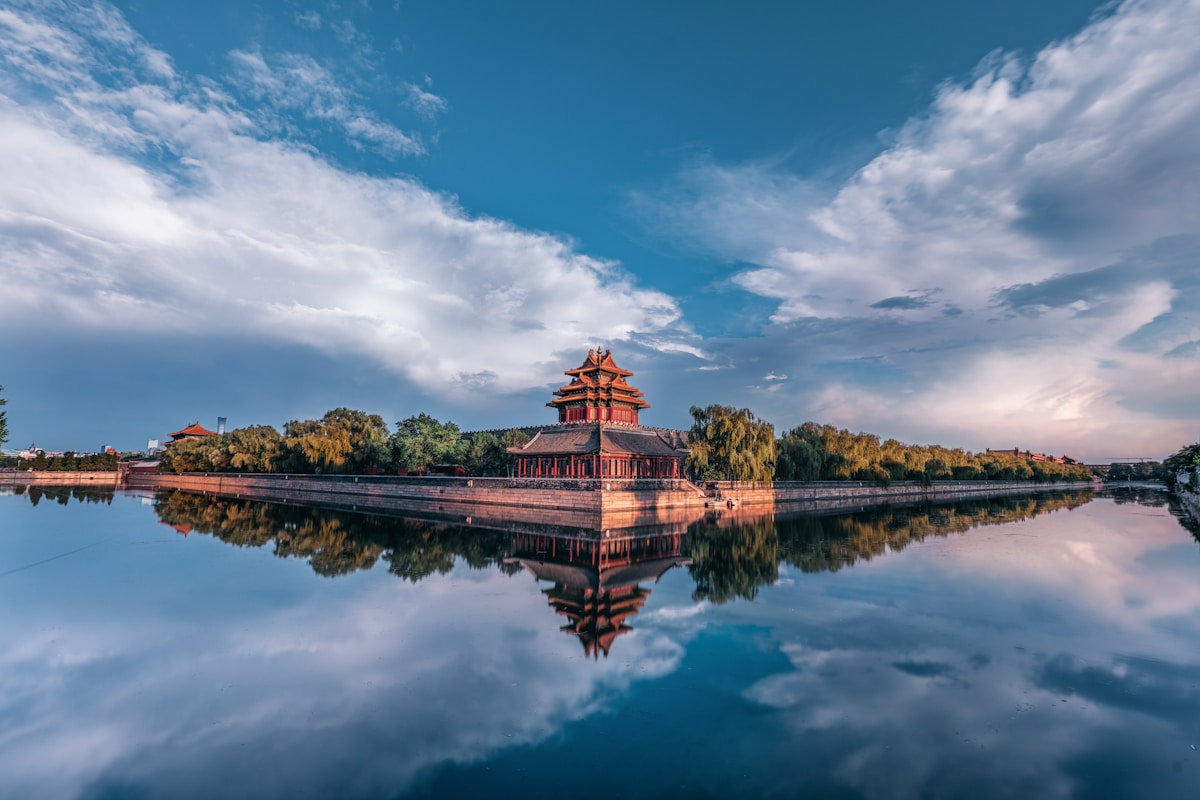
China Ancient Towns — Where Time Stands Still
China has thousands of ancient towns, but only a handful have preserved their original architecture, culture, and way of life. These towns offer a rare glimpse into China past — before skyscrapers, before bullet trains, before the modern world caught up.
Here are the top 10 ancient towns in China that every traveler should experience — with real ticket prices, best visiting times, and honest tips from travelers who have been there.
#1 — Pingyao Ancient City, Shanxi
UNESCO Status: World Heritage Site since 1997
Why It Is #1
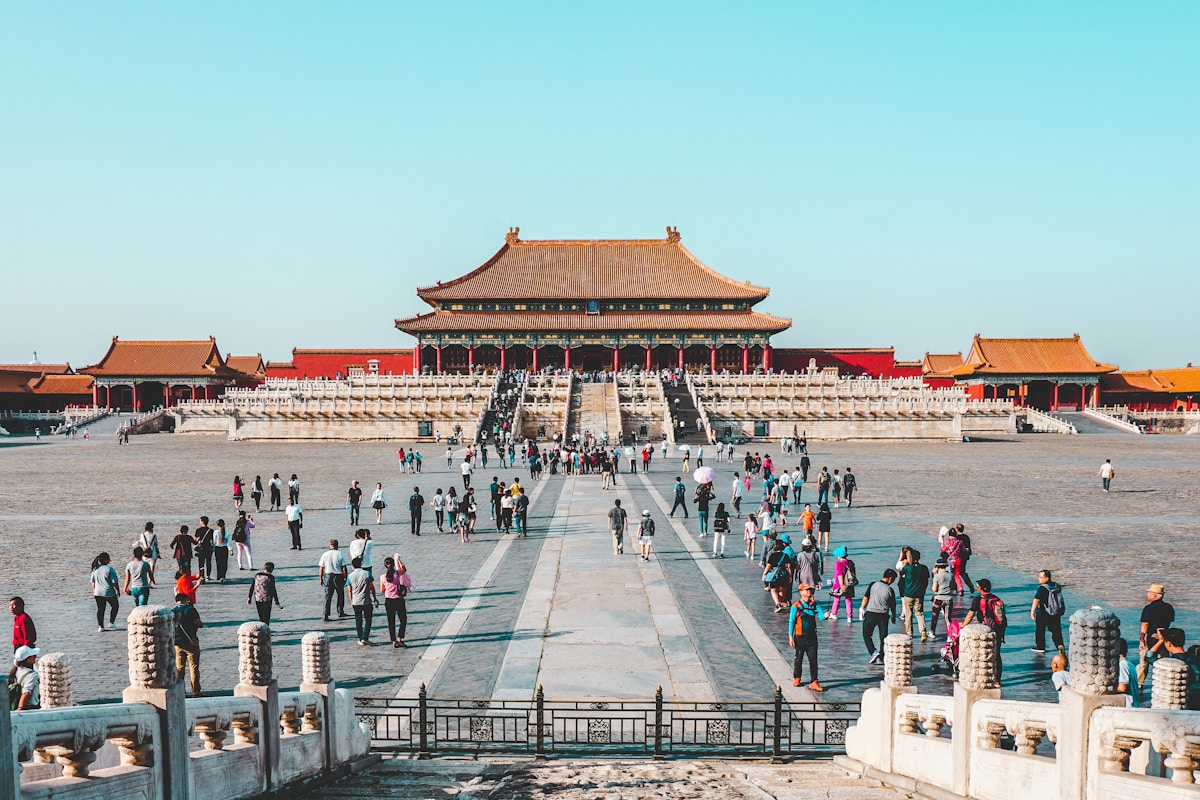
Pingyao is one of the best-preserved ancient walled cities in China. Built during the Ming Dynasty (1370), the 6-kilometer-long city wall still stands intact, enclosing a grid of streets lined with traditional courtyard houses, ancient banks, and temples. Pingyao was also the financial center of China during the Qing Dynasty — the first draft bank (Rishengchang) was founded here in 1823.
Visitor Information
- Ticket Price: 125 yuan (3-day pass, includes 22 attractions including the city wall, Rishengchang Draft Bank, and County Government Office)
- Best Time: April to June, September to October
- How to Get There: High-speed train from Taiyuan (30 minutes) or Xian (3 hours) to Pingyao Ancient City Station
Real Traveler Tips
- Stay overnight in a traditional courtyard guesthouse (100-300 yuan/night) — it is like sleeping in a museum
- Walk the city wall at sunset — the views over the ancient city are stunning
- Try Pingyao beef — the city signature dish, served in thin slices with local vinegar
#2 — Fenghuang Ancient Town, Hunan
UNESCO Status: On China Tentative List for World Heritage

Why It Is #2
Fenghuang (Phoenix Ancient Town) is famous for its stilted wooden houses (diaojiaolou) that hang over the Tuojiang River. Built during the Qing Dynasty, this Miao and Tujia minority town is one of the most photographed ancient towns in China. The famous Chinese writer Shen Congwen wrote about Fenghuang in his novel “Border Town.”
Visitor Information
- Entrance to the old town is FREE
- Attraction pass: 148 yuan (includes Shen Congwen Former Residence, Hongqiao Bridge, and Miao King Castle)
- Best Time: March to May, September to November
- How to Get There: High-speed train from Zhangjiajie (1 hour) to Fenghuang Gucheng Station
Real Traveler Tips
- Visit early morning (6-8 AM) — the mist over the river with stilted houses is magical
- Take a boat ride on the Tuojiang River (80 yuan) for the best photo angles
- Stay in a riverside guesthouse — many have balconies overlooking the water
#3 — Wuzhen Water Town, Zhejiang
UNESCO Status: Part of Hangzhou West Lake Cultural Landscape buffer zone
Why It Is #3
Wuzhen is one of the six most famous water towns in the Jiangnan region. With a history of over 1,300 years, it features well-preserved stone bridges, canals, and Ming-Qing dynasty architecture. Wuzhen is divided into two areas: Dongzha (East Gate) and Xizha (West Gate) — Xizha is more commercialized but better maintained.
Visitor Information
- Dongzha (East Gate): 110 yuan
- Xizha (West Gate): 150 yuan
- Combined ticket: 190 yuan
- Best Time: March to April (spring flowers); September to November (autumn foliage)
- How to Get There: Bus from Hangzhou (1.5 hours) or Shanghai (2 hours)
Real Traveler Tips
- Visit Xizha at night — the red lanterns reflected in the canals are stunning
- Stay overnight in Xizha — the town is much quieter after day-trippers leave
- Try Wuzhen white chrysanthemum tea — a local specialty served in teahouses along the canal
#4 — Zhouzhuang Water Town, Jiangsu
UNESCO Status: Part of Classical Gardens of Suzhou buffer zone
Why It Is #4
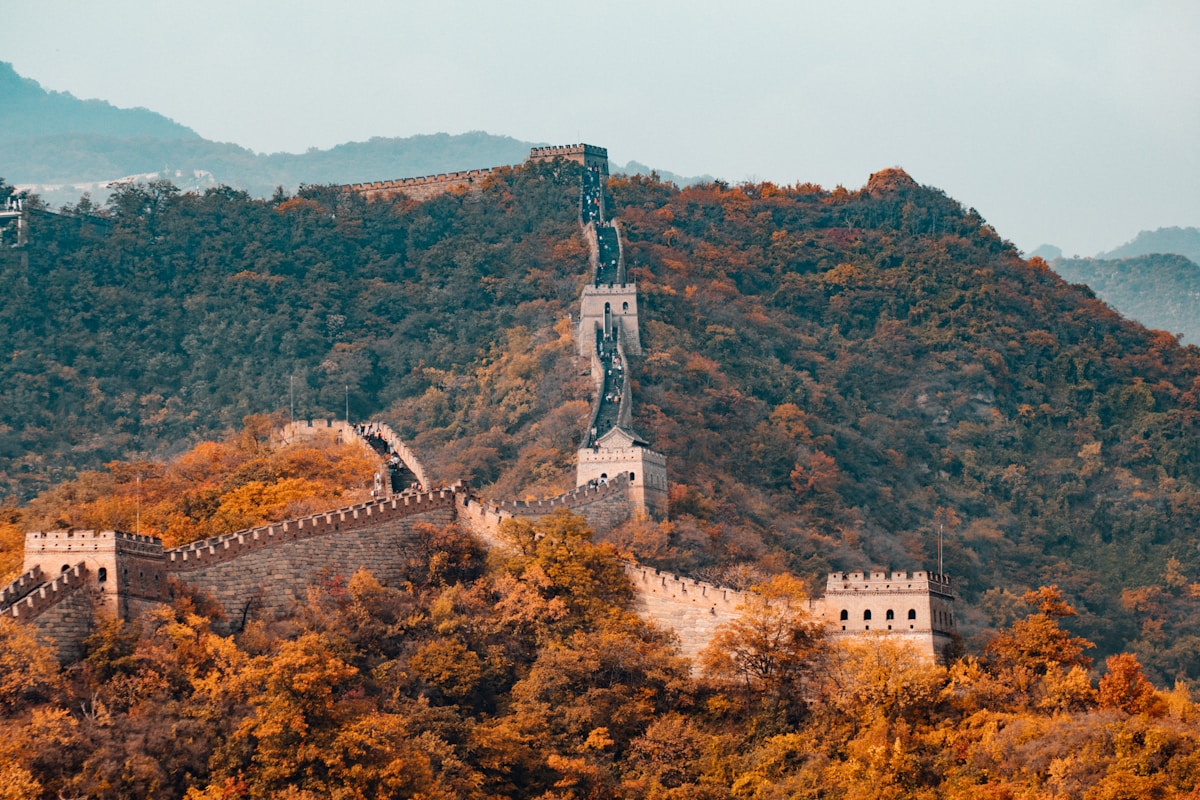
Zhouzhuang is often called the No.1 Water Town in China. With a history of over 900 years, it features 14 well-preserved stone bridges from the Yuan, Ming, and Qing dynasties. The Twin Bridges (Shuangqiao) are the most iconic — they appeared on a Chinese postage stamp in 1984.
Visitor Information
- Ticket Price: 100 yuan (valid for 3 days)
- Best Time: March to April, September to November
- How to Get There: Bus from Shanghai (1.5 hours) or Suzhou (1 hour)
Real Traveler Tips
- Visit early morning (before 8 AM) — Zhouzhuang gets extremely crowded by 10 AM
- Take a sculling boat ride (150 yuan per boat, seats 6) — the best way to see the town
- Try Wansan Pork Knuckle — a local delicacy named after a Ming Dynasty merchant
#5 — Xitang Water Town, Zhejiang
UNESCO Status: Part of Hangzhou West Lake Cultural Landscape buffer zone
Why It Is #5
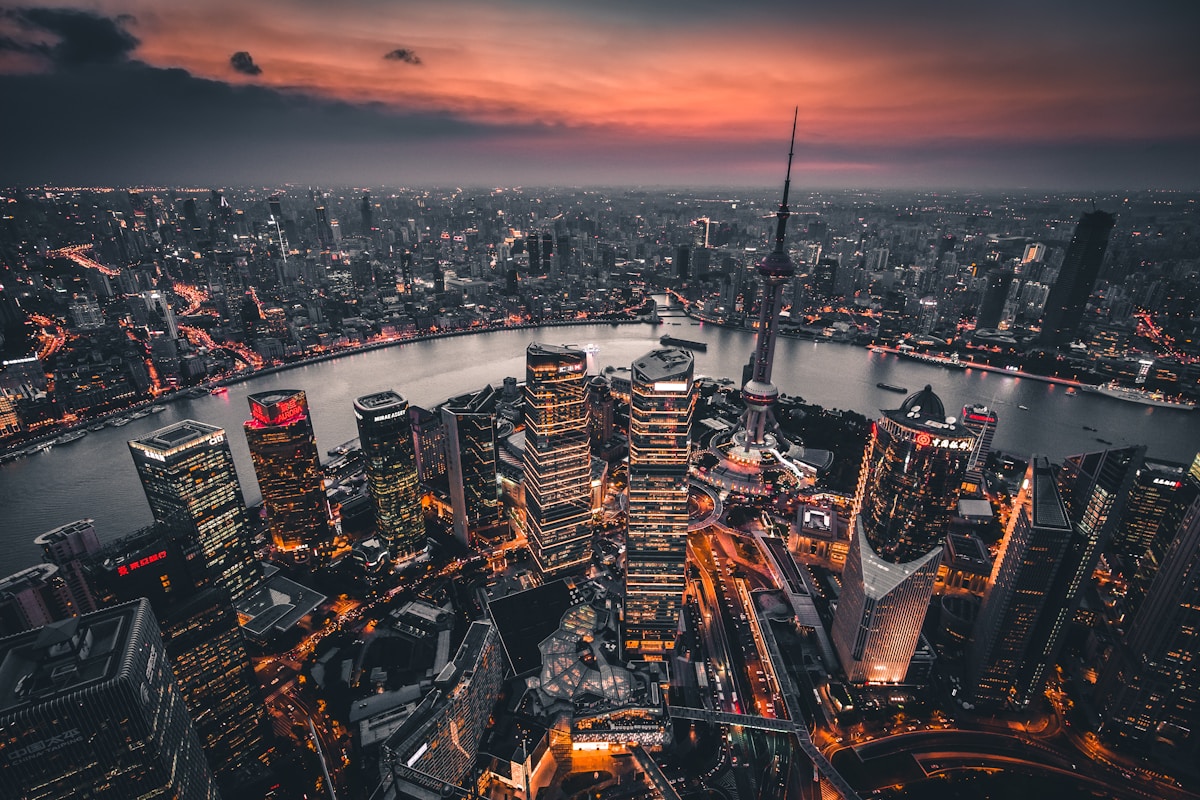
Xitang is famous for its covered corridors (langpeng) — 1,000 meters of rain-proof walkways along the canals. Built during the Ming and Qing dynasties, these corridors allow visitors to stroll through the town even in heavy rain. Xitang was also a filming location for Mission: Impossible III (2006).
Visitor Information
- Ticket Price: 95 yuan (includes all attractions)
- Best Time: March to April, September to November
- How to Get There: Bus from Shanghai (1.5 hours) or Hangzhou (2 hours)
Real Traveler Tips
- Stay overnight — the town is magical at night with red lanterns lighting the corridors
- Visit the Ni Zhai (Ni Family House) — one of the best-preserved Ming dynasty residences
- Try Xitang stinky tofu — it is surprisingly good, especially when freshly fried
#6 — Hongcun Ancient Village, Anhui
UNESCO Status: World Heritage Site since 2000 (with Xidi)

Why It Is #6
Hongcun is a UNESCO World Heritage Site known for its Hui-style architecture — whitewashed walls, black-tiled roofs, and horse-head gables. The village layout was designed according to feng shui principles to resemble a buffalo, with Moon Pond as the stomach and canals as the intestines. Hongcun was also a filming location for Crouching Tiger, Hidden Dragon (2000).
Visitor Information
- Ticket Price: 104 yuan
- Best Time: March to April (rapeseed flowers); November to December (autumn colors)
- How to Get There: Bus from Huangshan City (1.5 hours)
Real Traveler Tips
- Visit at sunrise — the reflection of the village in Moon Pond is iconic
- Combine with a visit to Xidi (12 km away) — another UNESCO village, less crowded
- Stay in a Hui-style guesthouse — many have been converted from 200-year-old homes
#7 — Langzhong Ancient City, Sichuan
UNESCO Status: On China Tentative List for World Heritage

Why It Is #7
Langzhong is one of China Four Great Ancient Cities (along with Pingyao, Lijiang, and Shexian). With a history of over 2,300 years, it was once the capital of the Ba Kingdom. The city is unique for its feng shui layout — surrounded by rivers on three sides and mountains on the fourth, it was designed according to ancient Chinese cosmology.
Visitor Information
- Entrance to the old city is FREE
- Attraction pass: 110 yuan (includes Zhang Fei Temple, Imperial Examination Hall, and Zhongtian Tower)
- Best Time: March to May, September to November
- How to Get There: High-speed train from Chengdu (2.5 hours) to Langzhong Station
Real Traveler Tips
- Try Langzhong beef noodles — a local breakfast staple, served in rich broth
- Visit the Imperial Examination Hall — one of only four still standing in China
- Langzhong is far less touristy than Pingyao — perfect for travelers seeking authentic ancient China
#8 — Dali Ancient City, Yunnan
UNESCO Status: Part of Three Parallel Rivers of Yunnan buffer zone

Why It Is #8
Dali was the capital of the Nanzhao and Dali Kingdoms (738-1253 AD). The ancient city, rebuilt during the Ming Dynasty, sits at the foot of Cangshan Mountain with Erhai Lake stretching out before it. The Bai minority people who live here have preserved their traditional architecture, clothing, and festivals for over 1,000 years.
Visitor Information
- Entrance to the old city is FREE
- Three Pagodas of Chongsheng Temple: 75 yuan
- Best Time: March to May, September to November
- How to Get There: Flight to Dali Airport; or high-speed train from Kunming (2 hours)
Real Traveler Tips
- Rent a bicycle to circle Erhai Lake (130 km, 2 days) — the best way to see the Bai villages along the shore
- Visit the Three Pagodas at sunset — the reflection in the lake is iconic
- Try Dali Baba — a local flatbread stuffed with pork, rose petals, or brown sugar
#9 — Shexian Ancient County, Anhui
UNESCO Status: Part of Huangshan buffer zone
Why It Is #9
Shexian is one of China Four Great Ancient Cities and the cultural heart of the Hui minority. The county seat contains over 200 well-preserved Ming and Qing dynasty residences, ancestral halls, and memorial archways. The Tangyue Memorial Archways (7 arches built between the 15th and 18th centuries) are among the most impressive in China.
Visitor Information
- Shexian Ancient County: FREE to enter the old city
- Tangyue Memorial Archways: 100 yuan
- Best Time: March to April (rapeseed flowers); November to December (autumn colors)
- How to Get There: High-speed train to Huangshan North Station (1 hour from Hangzhou); bus to Shexian (30 minutes)
Real Traveler Tips
- Visit the Huizhou Ancient City Wall — the best-preserved section of the original Ming wall
- Combine with a visit to Hongcun (1 hour by bus) — both showcase Hui architecture
- Try Huizhou stinky mandarin fish — a local delicacy that smells strong but tastes amazing
#10 — Tongli Water Town, Jiangsu
UNESCO Status: Part of Classical Gardens of Suzhou buffer zone

Why It Is #10
Tongli is one of the six most famous water towns in the Jiangnan region, but it is less crowded than Zhouzhuang and Wuzhen. With a history of over 1,000 years, it features 49 stone bridges from the Song, Yuan, Ming, and Qing dynasties. The Tuisi Garden (UNESCO World Heritage Site) is one of the finest classical gardens in the region.
Visitor Information
- Ticket Price: 100 yuan (includes Tuisi Garden and all attractions)
- Best Time: March to April, September to November
- How to Get There: Subway Line 4 from Suzhou to Tongli Station (40 minutes)
Real Traveler Tips
- Visit Tuisi Garden early — it opens at 7:30 AM and is magical without crowds
- Take a sculling boat ride (80 yuan) — the canals are narrower and more intimate than Zhouzhuang
- Try Tongli smoked fish — a local specialty served in teahouses along the canal
Planning Your China Ancient Towns Journey
Total Budget Estimate (for all 10 towns)
- Attraction tickets (all 10): Approximately 1,200 yuan ($170)
- Domestic transport: $400-700 (flights, high-speed trains, buses)
- Accommodation (2-3 weeks): $800-1,500 (mid-range hotels and ancient town guesthouses)
- Food: $15-30/day = $300-600 for 2-3 weeks
- Total per person: $1,500-2,900 (excluding international flights)
Suggested Route (18-21 days)
- Days 1-3: Pingyao Ancient City (Shanxi)
- Days 4-5: Langzhong Ancient City (Sichuan)
- Days 6-8: Fenghuang Ancient Town (Hunan)
- Days 9-10: Dali Ancient City (Yunnan)
- Days 11-12: Hongcun + Xidi (Anhui)
- Days 13-14: Shexian Ancient County (Anhui)
- Days 15-16: Wuzhen Water Town (Zhejiang)
- Days 17-18: Zhouzhuang + Tongli (Jiangsu)
- Days 19-21: Xitang Water Town (Zhejiang)
What Comes Next in This Series
This is Article #3 of our “100 Must-Visit Places in Your Lifetime” series. In upcoming articles, we will cover:
- Article #4: 10 Sacred Mountains of China (Mount Tai, Mount Emei, Mount Hua, and more)
- Article #5: 10 Best Food Cities (Chengdu, Xian, Guangzhou, and more)
All information in this article is based on verified sources: UNESCO World Heritage Centre (whc.unesco.org), China National Cultural Heritage Administration, official tourism websites, and traveler reviews from Xiaohongshu and Mafengwo.
Which ancient town is #1 on your China bucket list? Let us know in the comments!


Responses